National Scotch Day is coming up next monday and it’s one of those dates that always puts a smile on my face. Not because it suddenly gives me permission to pour a dram—let’s be honest, I don’t need a special occasion for that—but because it reminds me just how much Scotland has shaped the whisky world we know today.
Whether your cabinet is filled with bourbon, Japanese whisky, Irish whiskey or world whisky from places that would have seemed unimaginable twenty years ago, there’s a good chance Scotch was where it all began. It certainly was for me. Some of my favourite memories have been made in Scotland: watching the sun disappear behind Loch Indaal after a day of distillery visits, standing in cool dunnage warehouses breathing in the angels’ share, and talking to people whose passion for whisky is every bit as memorable as the spirit they produce. Every trip north leaves me wanting to come back, and every dram seems to carry a little piece of that country with it.
That got me thinking. If someone asked me to celebrate National Scotch Day with just ten bottles, which ones would I choose?
Not necessarily the ten highest-scoring whiskies I’ve ever reviewed. Not the rarest bottles, either. You certainly won’t find every trendy limited release or impossible-to-find unicorn here. Instead, I wanted to build a list that tells the story of Scotch whisky itself. These are bottles from distilleries that changed the industry, protected centuries-old traditions or represent the exciting future of Scotch. Some are affordable enough to open on a Tuesday evening, others deserve saving for life’s bigger celebrations, but every single one has earned its place.
So no, this isn’t a ranking. Think of it as a journey through Scotland in ten drams. If you already own a few of these bottles, I suspect you’ll know exactly why they’re here. If you don’t, National Scotch Day might just be the perfect excuse to change that.
Affiliate disclaimer: Some of the links in this article are affiliate links. If you decide to purchase a bottle through them, DRAM1 may earn a small commission at no additional cost to you. It helps support the website and allows me to continue creating independent whisky content. As always, every bottle featured here has been selected because I genuinely believe it deserves its place on this list—not because of any affiliate partnership.
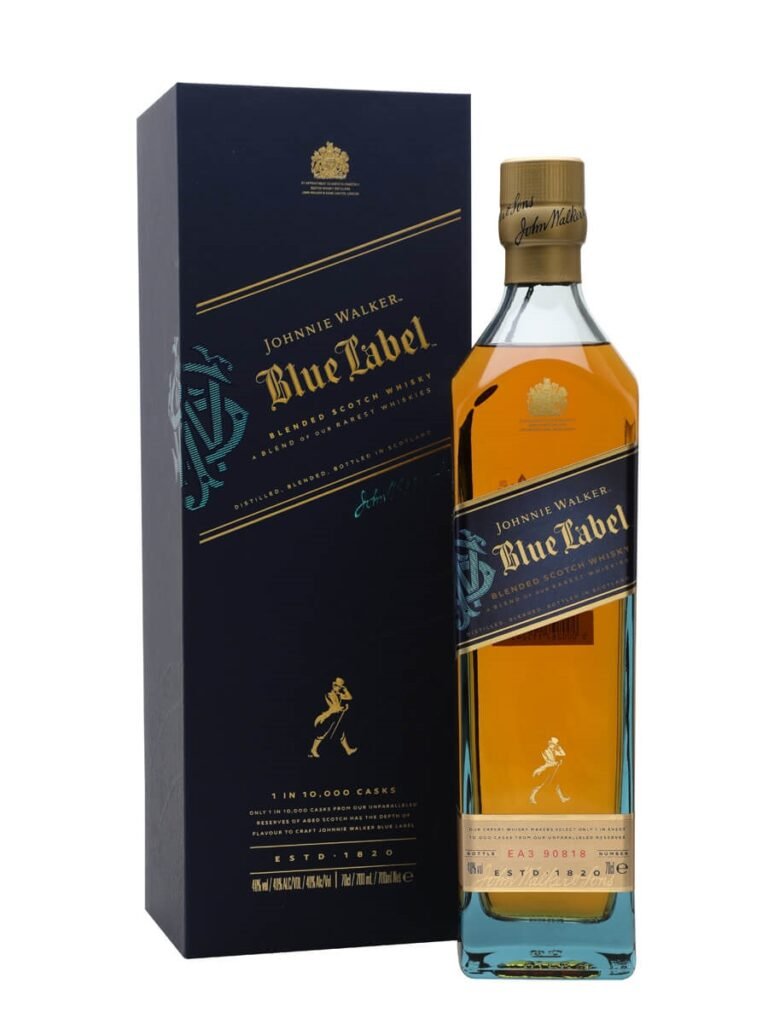
1. Johnnie Walker Blue Label | The Blend That Made Scotch a Global Icon
I’ll admit something straight away: if I’m buying a bottle for myself, nine times out of ten it’ll be a single malt (or even more specifically, a single cask indie bottling). That’s simply where my own whisky journey has taken me over the years. But when you’re talking about the bottles that shaped Scotch whisky, personal preference has to take a back seat for a moment. There was never any doubt that Johnnie Walker belonged on this list.
It’s easy to forget just how important blended Scotch has been. Long before whisky enthusiasts debated fermentation times or refill bourbon barrels on social media, brands like Johnnie Walker were introducing Scotland’s national drink to the rest of the world. Those square bottles travelled further than almost any single malt ever could, finding their way into homes, hotels and bars on every continent. For millions of people, Johnnie Walker wasn’t just their first Scotch—it was their first whisky, full stop.
Blue Label feels like the natural choice to represent that legacy. I know it’s often criticised for its price, and I understand why. If someone asked me where to find the absolute best value in Scotch whisky, this probably wouldn’t be my first answer. But value isn’t the reason Blue Label exists. This is a whisky that showcases what blending at the highest level can achieve when quality comes before quantity. Every time I revisit it I’m struck by how effortlessly it pulls together flavours of soft honey, dark chocolate, dried fruits, orange peel and gentle smoke into something remarkably elegant. Nothing shouts for attention. Everything simply works.
That’s perhaps what impresses me most. In an industry that often celebrates extremes—more peat, more sherry, higher strength—Blue Label reminds me that balance is an achievement in its own right.
If National Scotch Day is about celebrating the whiskies that helped build Scotland’s reputation, leaving Johnnie Walker off this list simply wouldn’t make sense.
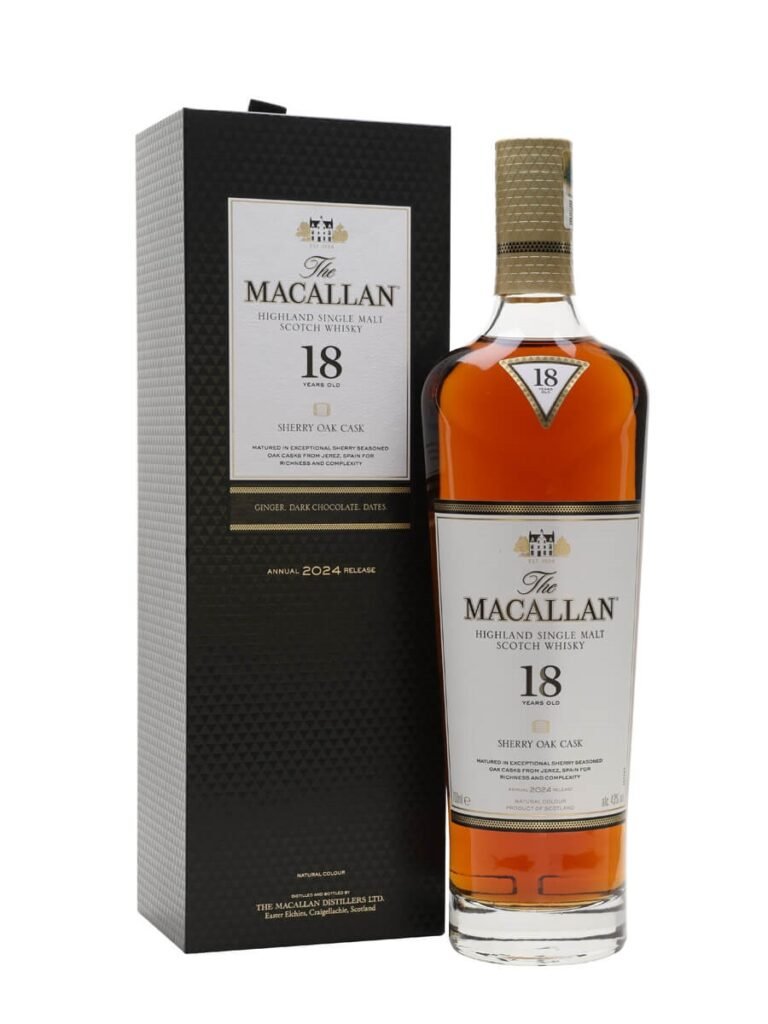
2. The Macallan Sherry Oak 18 Years Old | The Benchmark for Luxury Scotch
Few distilleries divide whisky enthusiasts quite like The Macallan.
Mention the name in any whisky group and you’ll almost certainly spark a debate. Some will praise its consistency and its incredible sherry casks. Others will roll their eyes and point to auction prices, flashy collaborations and bottles that seem destined for display cabinets rather than Glencairns. The truth, as is so often the case, sits somewhere in the middle.
I’ve always tried to separate the whisky from the hype.
Yes, The Macallan has become one of the biggest luxury brands in the spirits industry. Yes, prices have climbed to levels that can be difficult to justify. But none of that changes what’s actually in the glass. When The Macallan gets it right, it still produces some of the finest sherry-matured whisky in Scotland, and the Sherry Oak 18 Years Old is a perfect example of why the distillery earned its reputation in the first place.
From the moment you pour it, it feels unmistakably Macallan. Rich aromas of raisins, polished oak, orange zest and dark chocolate rise from the glass, followed by warming spices and beautifully integrated sherry sweetness that never becomes cloying. It has a richness that slowly unfolds rather than overwhelming your palate, rewarding patience with every sip.
Would I recommend it to someone buying their first bottle of Scotch? Probably not. At this price, there are simply too many excellent whiskies available for less money. But if someone asked me to name the bottle that best represents luxury Scotch whisky, I’d struggle to look beyond this one.
Whether you love the brand or love to criticise it, there’s no escaping The Macallan’s influence. It has introduced premium Scotch to audiences who may never have looked beyond a supermarket shelf otherwise, and in doing so it has raised expectations across the entire industry. That’s a remarkable achievement, and one that deserves recognising on National Scotch Day.
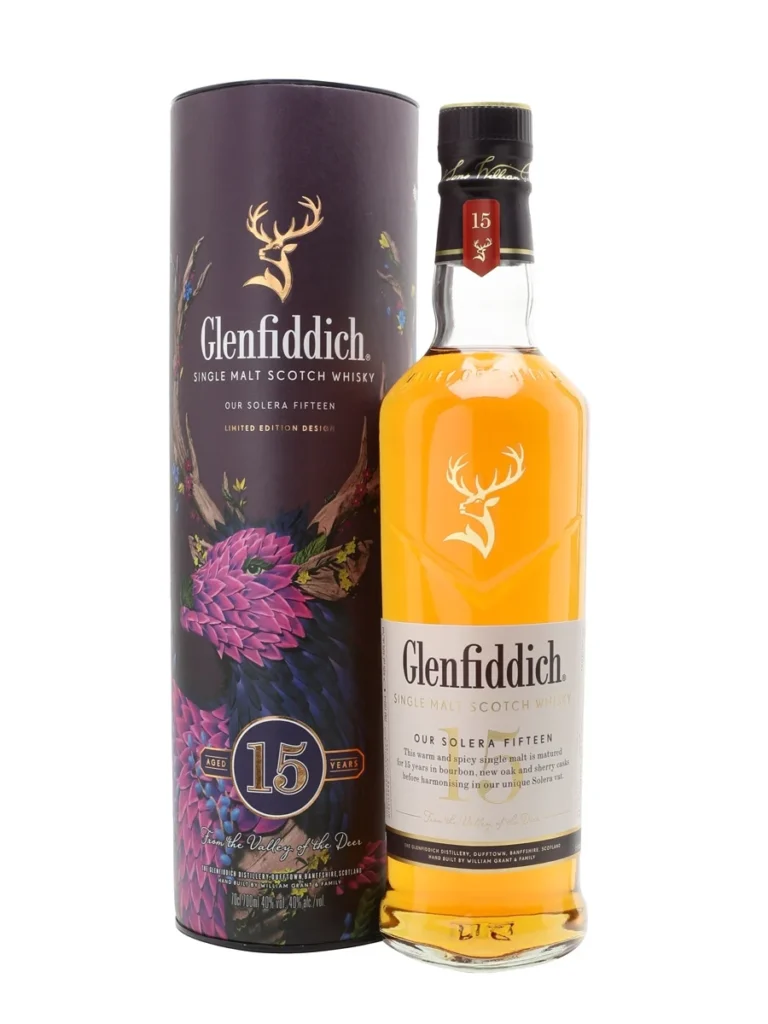
3. Glenfiddich 15 Year Old Solera | The Single Malt That Changed Everything
Every now and then I hear someone dismiss Glenfiddich as “too mainstream.”
I always find that a little unfair.
Success has a funny way of making people forget how revolutionary something once was. Today, shelves around the world are filled with single malts from every corner of Scotland. That feels perfectly normal now, but it wasn’t always the case. There was a time when blends dominated the market and exporting single malt on a global scale seemed like a risky idea.
Glenfiddich ignored that conventional wisdom.
Without the Grant family taking that gamble in the 1960s, I genuinely believe many of the distilleries we celebrate today would have had a much harder time finding an international audience. It’s easy to champion small, obscure producers, but sometimes the biggest names deserve credit simply because they opened the door for everyone else.
While the 12 Year Old remains one of the world’s classic entry-level whiskies, I’ve always felt the 15 Year Old Solera is where Glenfiddich really starts to show its character. The Solera maturation system adds an extra layer of richness without sacrificing the distillery’s trademark elegance. Ripe orchard fruits, runny honey, soft vanilla, cinnamon and gentle oak all come together in a whisky that’s approachable enough for newcomers but still interesting for experienced drinkers.
It’s one of those bottles I never hesitate to recommend because it rarely disappoints. Whether I’m introducing someone to Speyside for the first time or pouring a dram for a seasoned whisky lover, Glenfiddich 15 almost always lands well.
Sometimes we spend so much time chasing the next hidden gem that we forget why certain distilleries became famous in the first place.
Glenfiddich didn’t just become the world’s best-selling single malt by accident.
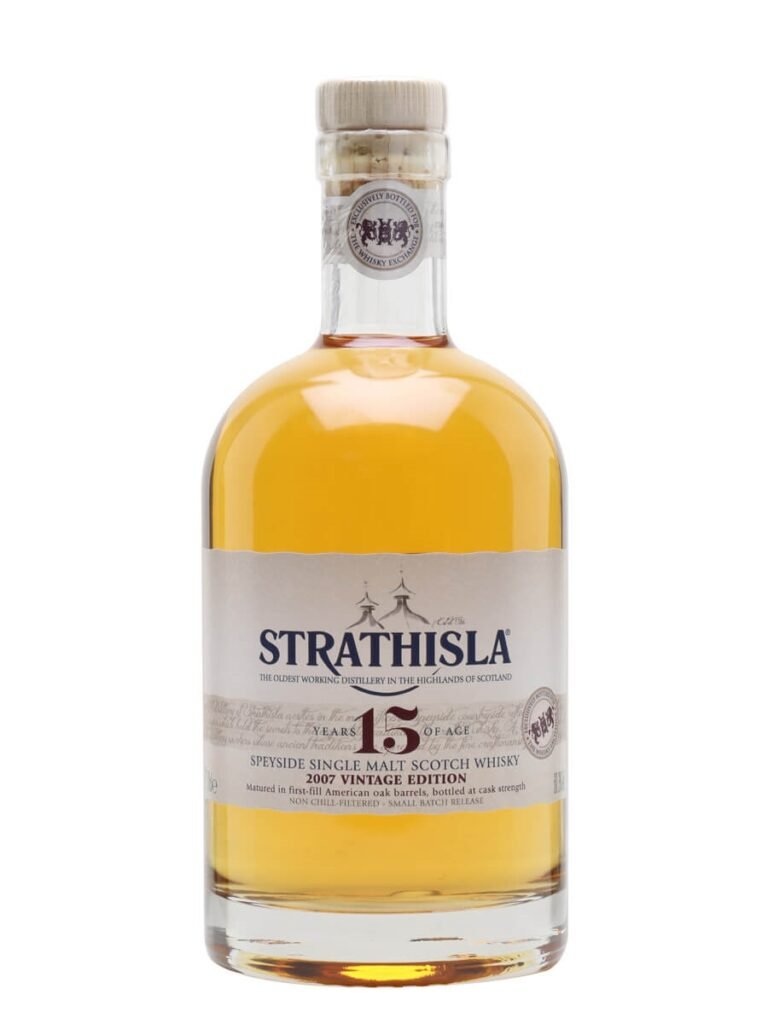
4. Strathisla 2007 (The Whisky Exchange Exclusive) | A Hidden Piece of Scotch History
If there’s one bottle on this list that might surprise people, it’s this one.
Mention Strathisla and many whisky drinkers will recognise the name, but relatively few have actually tasted it as a single malt. That’s because most of its beautifully fruity spirit disappears into Chivas Regal, quietly playing a starring role in one of the world’s most successful blends without ever demanding the spotlight for itself.
That feels almost poetic for a distillery with as much history as Strathisla. Founded in 1786 and widely regarded as Scotland’s oldest continuously operating distillery, it has survived wars, economic crashes and countless changes within the whisky industry while continuing to produce elegant Speyside spirit year after year.
That’s exactly why I was so pleased to see this 2007 vintage bottled exclusively for The Whisky Exchange.
Exclusive bottlings can sometimes feel like clever marketing exercises, but this one gives whisky lovers something genuinely special: the chance to experience one of Scotland’s great historic distilleries completely on its own terms. Instead of supporting a blend, Strathisla gets to tell its own story.
It’s exactly the kind of whisky I love discovering. Honeyed malt, crisp orchard fruits, soft vanilla and delicate waxy notes combine to create something wonderfully understated. It doesn’t rely on heavy peat or aggressive sherry influence to make an impression. Instead, it quietly demonstrates just how beautiful well-made spirit can be when you allow it to speak for itself.
Not every essential Scotch whisky needs to be famous.
Sometimes the most rewarding bottles are the ones hiding in plain sight.
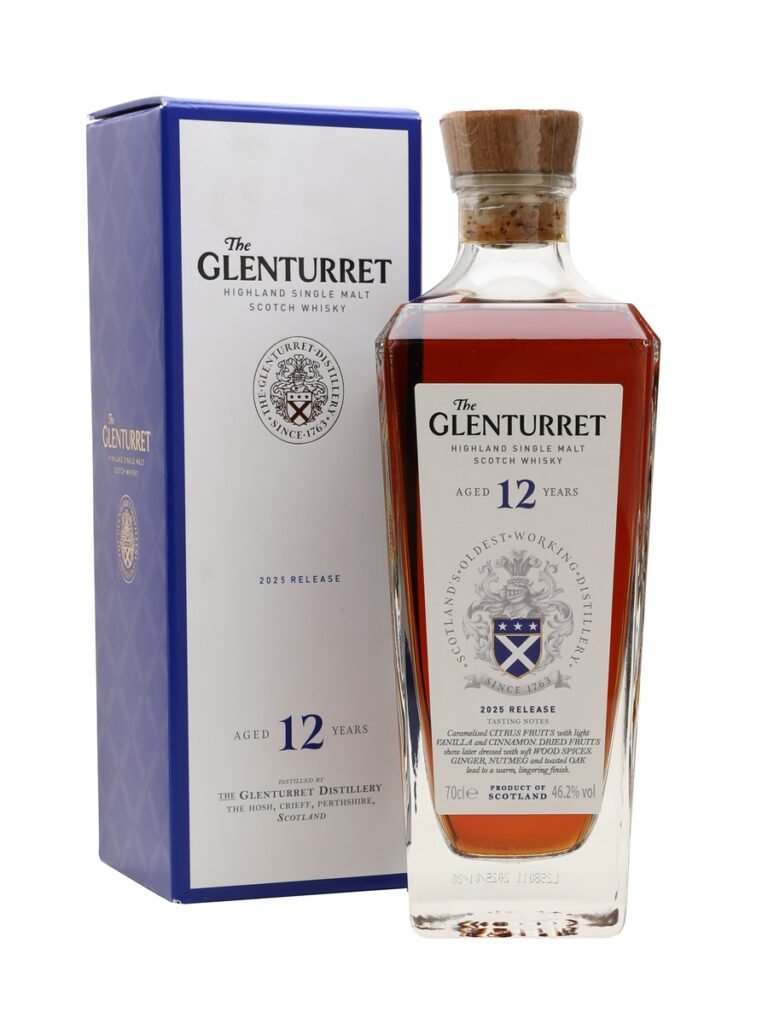
5. Glenturret 12 Years Old | Proof That Tradition Still Matters
Whisky has always evolved. Distilleries experiment with different casks, new fermentation techniques and increasingly creative releases because that’s how the industry moves forward. I love seeing that innovation—it keeps Scotch exciting.
At the same time, I think it’s just as important that some distilleries continue doing things the old-fashioned way.
That’s one of the reasons I have so much respect for Glenturret.
Often referred to as Scotland’s oldest working distillery, Glenturret has resisted the temptation to modernise simply for the sake of it. It still uses one of Scotland’s few manually operated mash tuns, a wonderfully traditional approach that feels almost stubborn in today’s whisky landscape. In an era where efficiency often drives decision-making, there’s something incredibly refreshing about a distillery that still values craftsmanship above convenience.
The 12 Year Old captures that philosophy beautifully. Rich dried fruits, honey, orange peel and toasted almonds sit alongside elegant oak spice in a whisky that feels reassuringly classic without ever becoming old-fashioned. It’s refined, balanced and quietly confident—the kind of bottle that doesn’t need flashy packaging or a dramatic backstory because the liquid does all the talking.
Whenever I visit traditional distilleries, I’m reminded that Scotch whisky isn’t great because it constantly changes. It’s great because it somehow manages to balance innovation with respect for the people who came before.
Glenturret has been doing exactly that for centuries, and I sincerely hope it continues to do so for centuries to come.
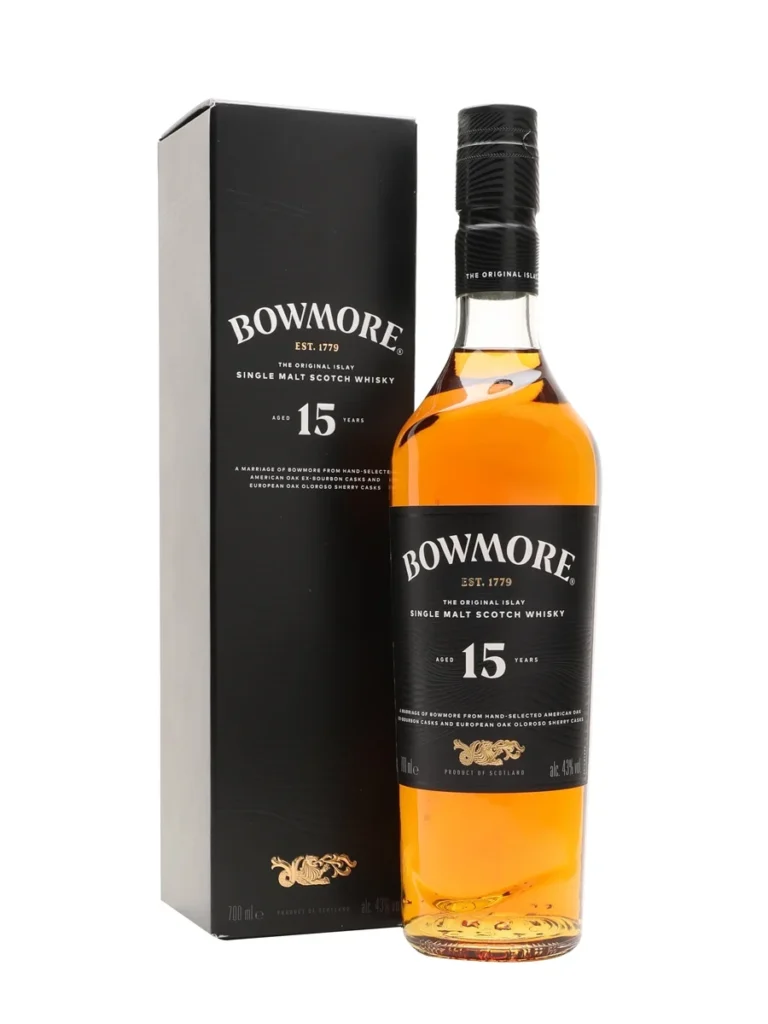
6. Bowmore 15 Years Old | Islay’s Original Gentleman
Whenever people ask me where to begin with peated whisky, my answer usually depends on the person standing in front of me. Some people are ready to dive headfirst into the medicinal intensity of Laphroaig, while others will immediately fall for the smoky barbecue character of Ardbeg. But if someone tells me they simply want to understand why Islay became so famous, there’s a good chance I’ll point them towards Bowmore.
As the island’s oldest licensed distillery, Bowmore has been producing whisky since 1779, long before peat became fashionable. It has witnessed Islay grow from a remote whisky-producing island into one of the world’s greatest pilgrimage sites for enthusiasts. Every year thousands of whisky lovers make the journey across the water, and while every distillery has its own identity, Bowmore remains one of the foundations on which Islay built its reputation.
The 15 Year Old is a whisky I’ve always had a soft spot for because it perfectly captures that balance. Matured in bourbon casks before receiving a finish in Oloroso sherry casks, it doesn’t try to overwhelm you with smoke. Instead, it lets everything work together. Dark chocolate, raisins and roasted coffee mingle with gentle coastal peat, orange zest and a touch of sea salt, creating a whisky that feels sophisticated rather than aggressive.
Perhaps that’s why Bowmore sometimes gets overlooked today. In a whisky world that increasingly celebrates extremes, subtlety can struggle to grab the headlines. Yet every time I pour a dram, I’m reminded why this distillery has endured for nearly two and a half centuries. It doesn’t need gimmicks or impossible peat levels. It simply produces beautifully balanced Islay whisky.
Sometimes that’s more than enough.
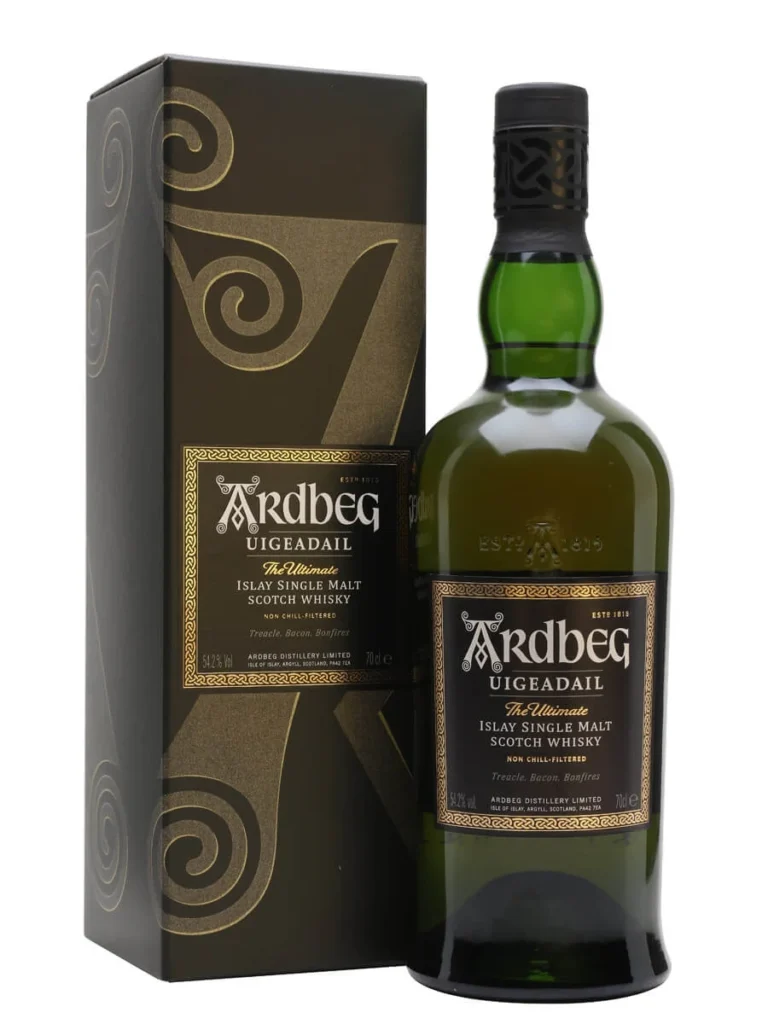
7. Ardbeg Uigeadail | The Greatest Comeback Story in Scotch Whisky
If Bowmore represents Islay’s rich history, Ardbeg reminds us that even the greatest distilleries can come frighteningly close to disappearing.
Looking at Ardbeg today, that’s almost impossible to imagine. Annual Committee Releases sell out in record time, Ardbeg Day has become one of the highlights of Fèis Ìle and the distillery attracts visitors from every corner of the globe. It feels like one of Scotch whisky’s biggest success stories.
But it nearly wasn’t.
Throughout much of the 1980s and 1990s, Ardbeg spent long periods closed or operating only sporadically. Like so many distilleries during the whisky downturn, its future looked uncertain. Had Glenmorangie not stepped in during 1997, there’s every chance this article would have been celebrating a lost legend rather than a thriving distillery.
Few revivals have been as remarkable.
Choosing just one Ardbeg wasn’t easy, but I kept coming back to Uigeadail. It has long been one of my favourite core-range releases because it showcases everything I love about modern Ardbeg. The rich influence of sherry casks softens the distillery’s unmistakable peat smoke without ever taming it. Every sip brings together dark chocolate, smoked bacon, espresso, raisins, black pepper and bonfire smoke in a way that somehow feels both powerful and perfectly balanced.
I’ve had the privilege of visiting Ardbeg several times now, and it’s impossible not to feel the passion that surrounds the place. Whether it’s the atmosphere during Fèis Ìle, the people behind the bar or the enthusiasm of fellow visitors, Ardbeg has become much more than a distillery. It’s a community.
And if one bottle captures that spirit, it’s Uigeadail.
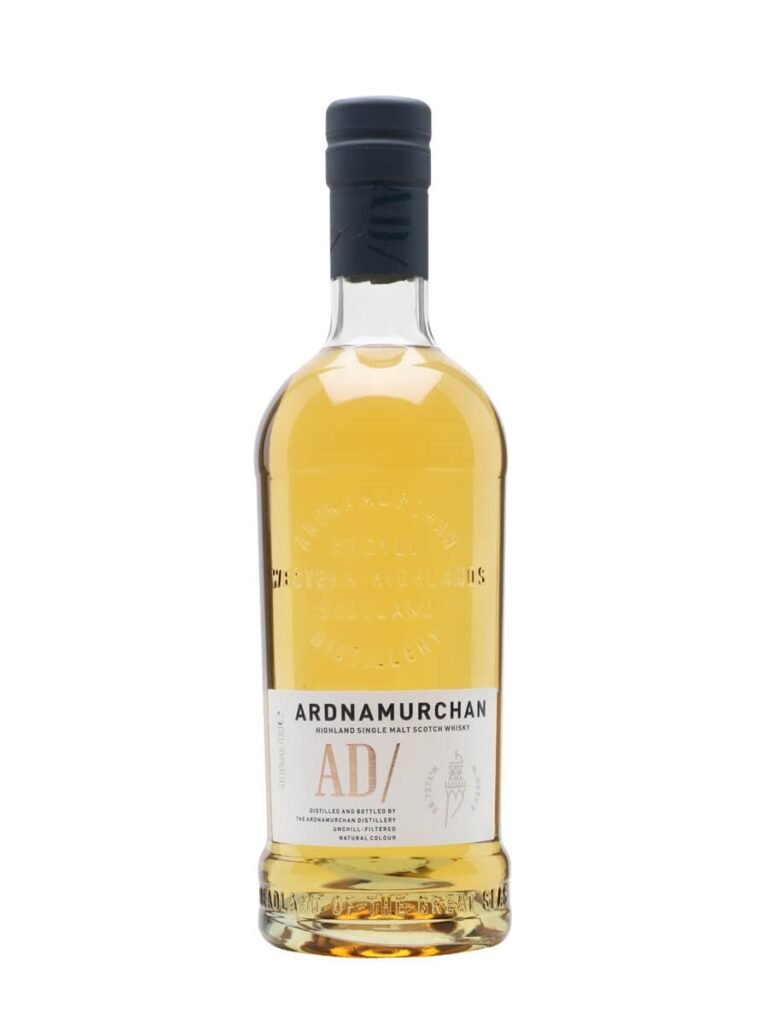
8. Ardnamurchan AD | The Future Looks Bright
It’s funny how quickly a distillery can earn your respect.
Ardnamurchan has only been producing whisky for a handful of years, yet it already feels like one of Scotland’s most exciting success stories. That’s no small achievement in an industry where building a reputation often takes generations.
Part of that is down to transparency. As whisky drinkers, we’ve become increasingly interested in knowing what’s actually inside the bottle. Ardnamurchan embraced that philosophy from the very beginning, openly sharing information about cask composition, peated and unpeated spirit, natural colour and non-chill filtration. Rather than hiding production details, the distillery invites enthusiasts to explore them.
But transparency alone doesn’t make great whisky.
Thankfully, the liquid more than lives up to the promise.
The AD release consistently punches well above its price point. Bright orchard fruits, citrus, vanilla and creamy malt are joined by just enough gentle peat to add depth without stealing the show. It feels energetic, vibrant and wonderfully honest, the sort of whisky that reminds you age statements aren’t the only measure of quality.
Anyone who’s followed DRAM1 over the past couple of years will know I have a bit of a soft spot for Ardnamurchan. Not because it’s trendy, but because every bottle I’ve opened has reinforced the feeling that this distillery genuinely understands what modern whisky drinkers are looking for.
If this is what Ardnamurchan is producing today, I genuinely can’t wait to see where it will be another ten or twenty years from now.
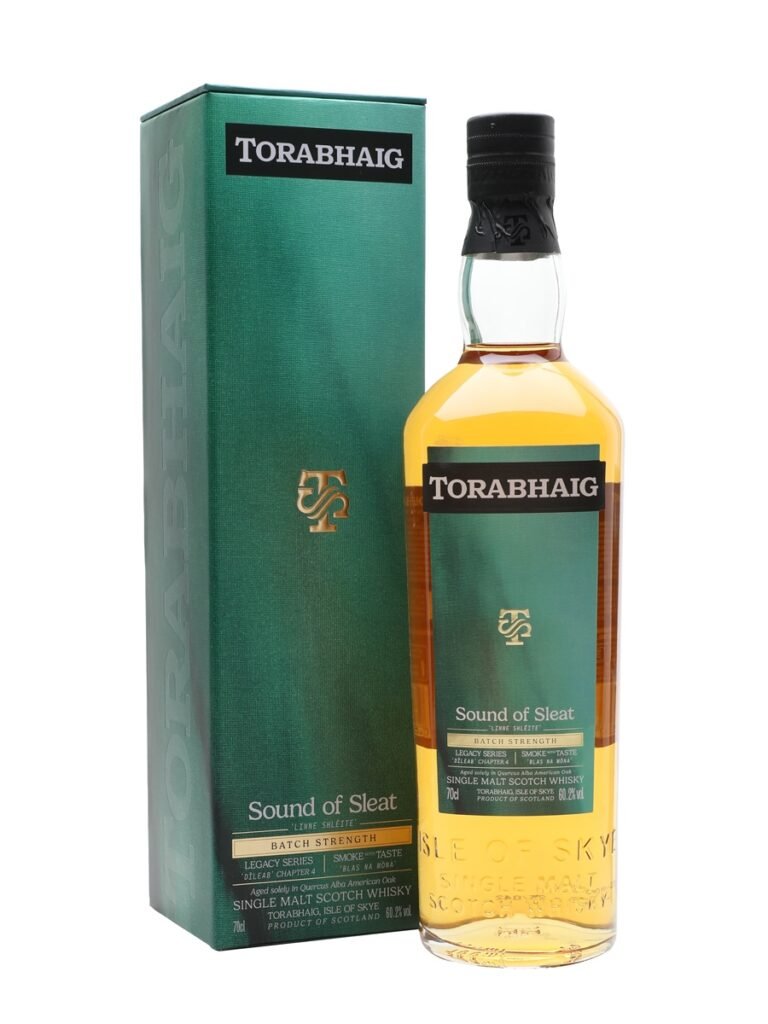
9. Torabhaig Sound of Sleat Batch Strength | Writing the Next Chapter on Skye
Living in the shadow of Talisker can’t be easy.
For well over a century, Talisker was synonymous with the Isle of Skye. Then Torabhaig arrived and faced the unenviable task of convincing whisky drinkers there was room for another voice on the island.
Thankfully, it never tried to become “the next Talisker.”
Instead, Torabhaig has patiently built its own identity, release by release. That’s something I admire enormously. It would have been easy to chase comparisons, but the distillery has focused on developing its own style instead.
The Sound of Sleat Batch Strength is perhaps the clearest indication yet of where that journey is heading. Bottled at natural strength, it feels bold without becoming unruly. Waves of maritime smoke, lemon zest, cracked pepper, vanilla and earthy peat roll across the palate before a long, warming finish leaves you reaching for another sip.
It’s still a young distillery, and you can taste that youthful energy. Rather than seeing that as a weakness, I find it genuinely exciting. We don’t often get the chance to watch a Scotch distillery develop its identity in real time. Twenty years from now, enthusiasts will look back at these early releases as the foundation of something much bigger.
Being able to follow that journey from the beginning feels like a privilege.
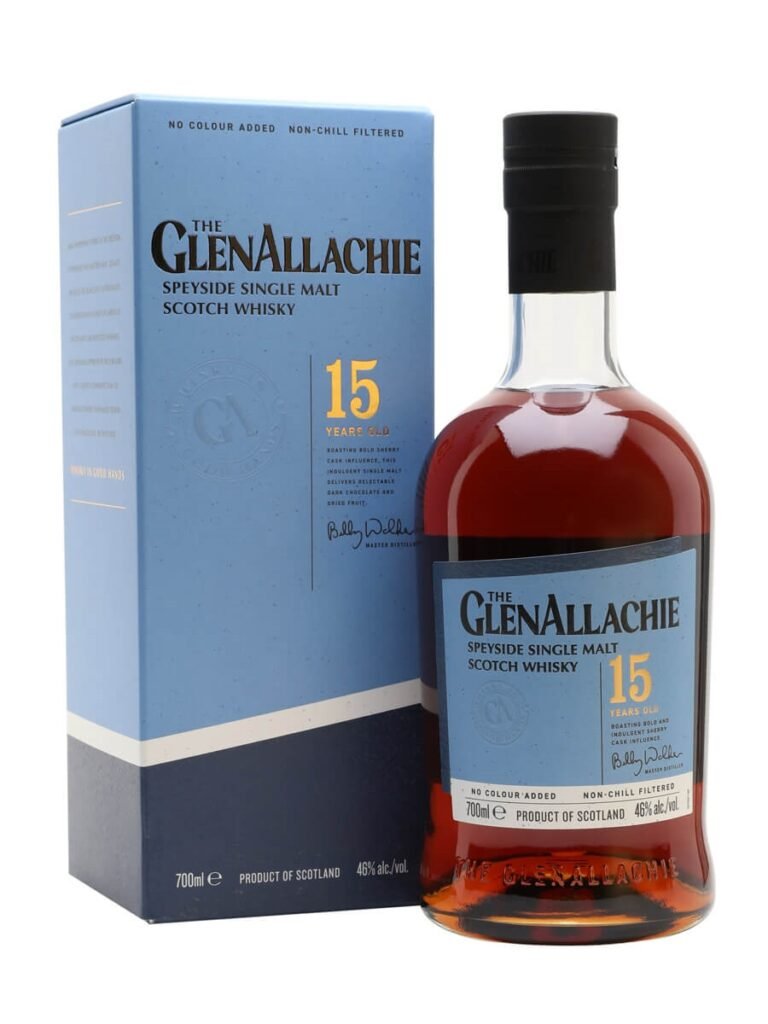
10. GlenAllachie 15 Years Old | Billy Walker’s Legacy in a Glass
Every industry has people who quietly change everything.
In modern Scotch whisky, Billy Walker is undoubtedly one of those people.
Long before GlenAllachie became one of Scotland’s hottest distilleries, Walker had already transformed BenRiach, GlenDronach and Glenglassaugh into names whisky enthusiasts actively sought out. Time and time again, he demonstrated an extraordinary understanding of wood management and cask selection, helping restore the reputation of distilleries that had been largely overlooked.
When he took over GlenAllachie in 2017, plenty of people were curious.
Today, I don’t think there’s much doubt about the outcome.
The GlenAllachie 15 Year Old perfectly captures everything that has made Billy Walker such a respected figure. Rich sherry influence forms the backbone, but it never overwhelms the spirit itself. Layers of dark chocolate, figs, raisins, orange peel and warming spices unfold naturally, supported by beautifully integrated oak that feels mature rather than overly dominant. It’s rich, comforting and endlessly satisfying without ever becoming heavy.
I’ve reviewed a lot of GlenAllachie over the years, and the thing that keeps impressing me is the consistency. Whether you’re opening an everyday bottling or something more limited, there’s a clear identity running through the range. That’s rarely an accident.
It’s the result of decades of experience.
For me, GlenAllachie doesn’t just represent one outstanding distillery. It represents one man’s lasting contribution to modern Scotch whisky, and I honestly can’t think of a better bottle to finish this journey with.
Final Thoughts
One of the things I love most about Scotch whisky is that it never stands still.
The bottles on this list span almost two and a half centuries of whisky-making. Some remind us where the industry came from. Others show how traditional craftsmanship continues to thrive, while a new generation of distilleries proves that Scotland’s greatest whisky stories are still being written.
If you asked another whisky lover to compile this list, it would almost certainly look different, and that’s exactly as it should be. That’s the beauty of Scotch. There isn’t one perfect distillery, one perfect region or one perfect bottle. There are simply countless great whiskies waiting to be discovered.
So however you choose to celebrate National Scotch Day, I hope you’ll do it with a dram that means something to you. Whether that’s a humble everyday favourite or a bottle you’ve been saving for the right occasion, the best whisky has always been the one that’s shared, talked about and enjoyed.
Slàinte mhath!