Indian Whisky: The Sleeping Giant That Became a Global Single Malt Powerhouse
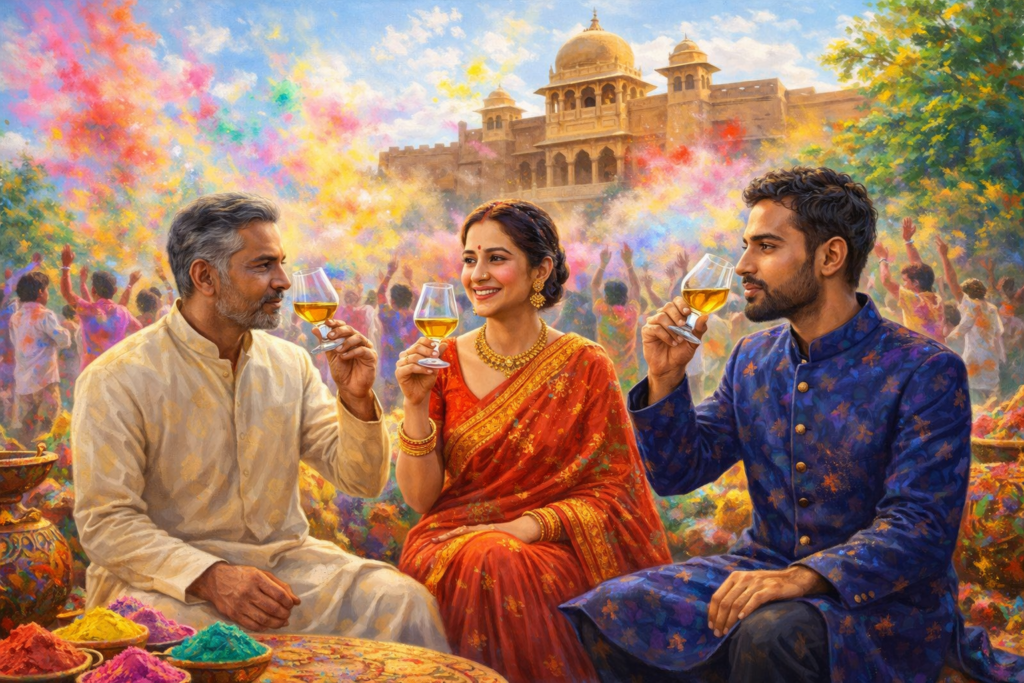
For years, Indian Whisky has quietly dominated the global drinks industry — not through prestige, not through collector hype, but through sheer scale. India has been the largest whisky-consuming country in the world for decades. Millions of bottles move every week. Whisky is woven into celebrations, business culture, weddings, festivals, and everyday life.
Yet for a long time, the global whisky conversation barely mentioned India.
That is changing — and changing fast.
Because while India has always led the world in consumption, it is now becoming one of the most exciting producers of single malt whisky anywhere on the planet. The shift is dramatic. The quality is undeniable. And the future of Indian Whisky looks more compelling than ever.
This is the story of how the world’s biggest whisky market became one of its most thrilling single malt frontiers.
A Complex Beginning: The History of Indian Whisky
To understand where Indian Whisky is going, we need to understand where it came from.
Modern whisky production in India traces back to the colonial era, when British distilling traditions influenced local production. Over time, whisky became India’s most popular spirit category, deeply embedded in social and cultural life.
However, the structure of the Indian whisky market evolved very differently from Scotland or Ireland.
In Europe, whisky must be distilled from grain and matured in oak casks. The regulations are clear and tightly defined.
In India, economic realities and consumer demand shaped a different model. Many of the country’s biggest-selling whiskies are not grain-based in the traditional sense. Instead, they are produced from molasses-based neutral spirit, a by-product of sugar production, which is then blended with a smaller percentage of grain spirit.
Brands such as McDowell’s No.1, Royal Stag, Imperial Blue, and Officer’s Choice dominate domestic volume sales. These products drive India’s position as the largest whisky-consuming nation in the world.
But under European regulations, these would not legally qualify as whisky because they are not distilled from grain mash in the traditional sense.
That distinction matters.
Because while molasses-based blends account for enormous volume, they are not the story of Indian Whisky’s global rise.
The real revolution is happening elsewhere — in copper pot stills, oak warehouses, and carefully matured single malts.
The Birth of Indian Single Malt Whisky
In the early 2000s, a handful of visionary producers made a bold decision.
Instead of following the mass-market model, they committed to producing authentic single malt whisky — made from 100% malted barley, distilled in pot stills, matured in oak casks, and aligned with internationally recognised whisky production standards.
It was an ambitious move.
At the time, the global whisky world was sceptical. Could India — with its extreme climate and relatively young distilling heritage — truly produce world-class single malt?
The answer came quickly.
Yes.
And not just competitive — but distinctive.
Climate: India’s Greatest Advantage
India’s climate is not gentle. In many whisky-producing regions of the country, temperatures swing dramatically between seasons, and annual heat can be intense.
This creates one of the highest angel’s share rates in the whisky world — often between 10% and 15% per year, compared to roughly 2% in Scotland.
The impact on Indian Whisky is profound.
Maturation accelerates. Oak influence intensifies. Flavours develop rapidly and boldly. A four- or five-year-old Indian single malt can display the depth and complexity of a much older Scotch.
You find layers of tropical fruit, dark chocolate, spice, caramelised sugar, and powerful oak structure. These are not shy whiskies. They are expressive, textured, and unapologetically rich.
The climate does not merely mature whisky in India.
It shapes its personality.
The Distilleries Redefining Indian Whisky
The global rise of Indian Whisky is built on the shoulders of a few exceptional producers who chose to prioritise quality over volume.
Amrut: The Pioneer That Changed Everything
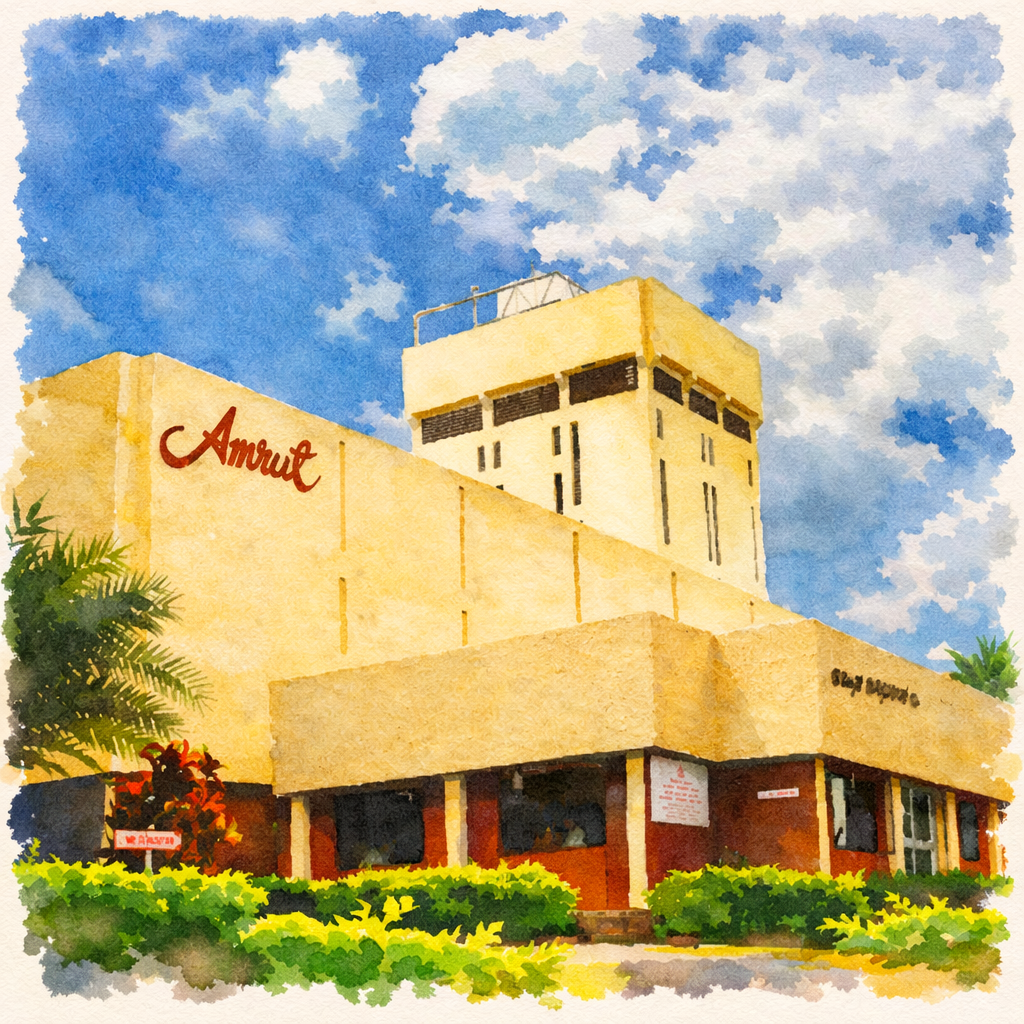
If there is a true turning point in the story of Indian single malt, it is Amrut Distilleries.
Founded in 1948 by J.N. Radhakrishna Rao, Amrut spent decades building its craft before daring to think bigger. Under the leadership of the next generation, the vision sharpened: India would not just drink whisky — it would produce world-class single malt. From its high-altitude home in Bangalore, the distillery embraced its challenging climate, where intense heat accelerates maturation and creates bold, concentrated flavour.
When Amrut began exporting in the early 2000s, the move felt audacious. But blind tastings silenced any doubt. This was not novelty whisky. It was serious, structured, and unmistakably confident.
Then came Amrut Fusion — a marriage of Indian and peated Scottish barley that embodied the distillery’s global ambition. Rich spice, dark fruit, dark chocolate depth and remarkable intensity became its signature. Reviewers were stunned. Assumptions about Indian whisky shifted overnight.
Amrut did not ask for permission to join the global conversation.
It simply proved it belonged.
Paul John: Tropical Elegance from Goa
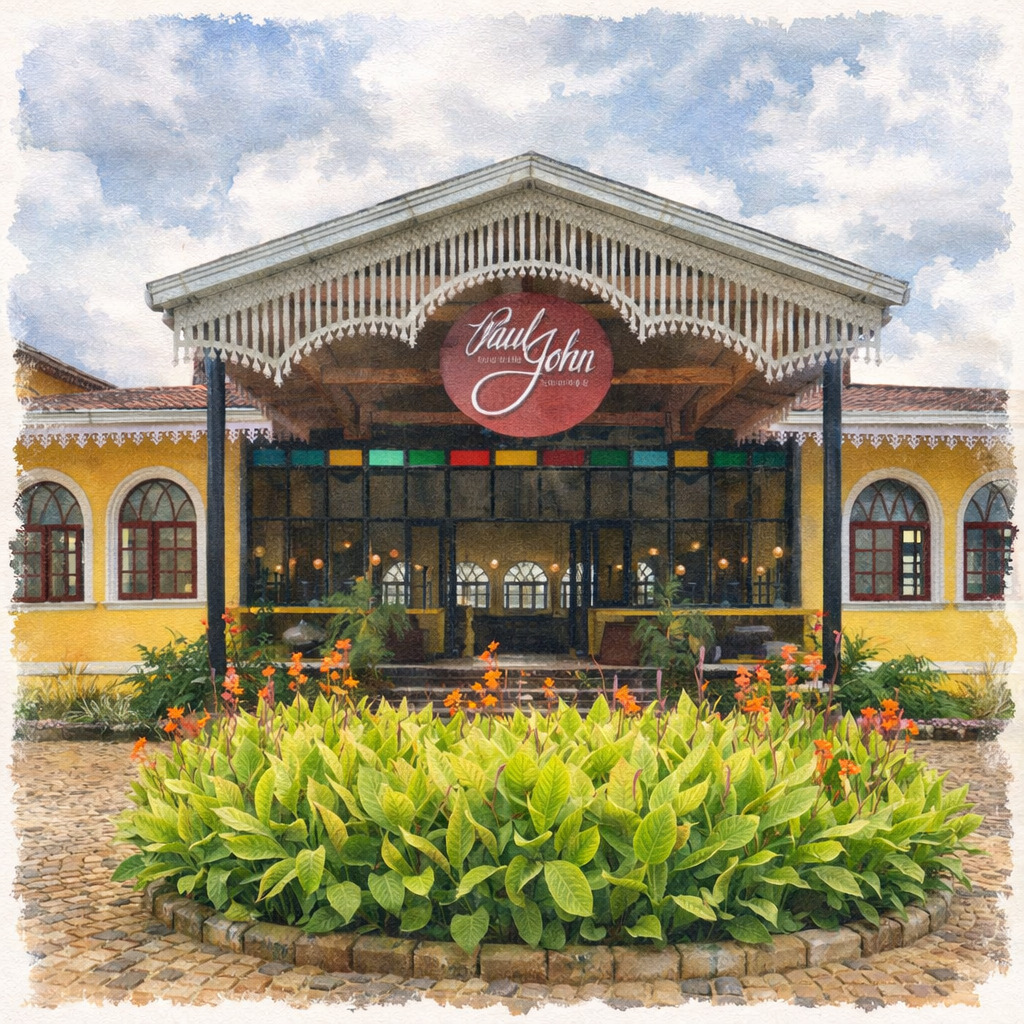
If Goa gave Indian whisky a different accent, it came through Paul John Distilleries.
Founded by Paul P. John, the distillery set out with a clear ambition: to craft single malts that reflected India’s warmth and vitality, but with elegance and balance at their core. Maturing spirit in Goa’s humid coastal climate brings intensity, yet Paul John shaped its house style around approachability — layered, expressive, and inviting rather than overwhelming.
Core expressions like Paul John Brilliance and Paul John Edited became calling cards. Honeyed barley sweetness, soft orchard fruit, gentle smoke, and a silky texture defined a profile that proved Indian single malt could offer nuance alongside tropical richness.
As export markets embraced the range, confidence in the entire Indian category grew. Paul John didn’t compete on power alone.
It demonstrated finesse.
Rampur: Himalayan Precision
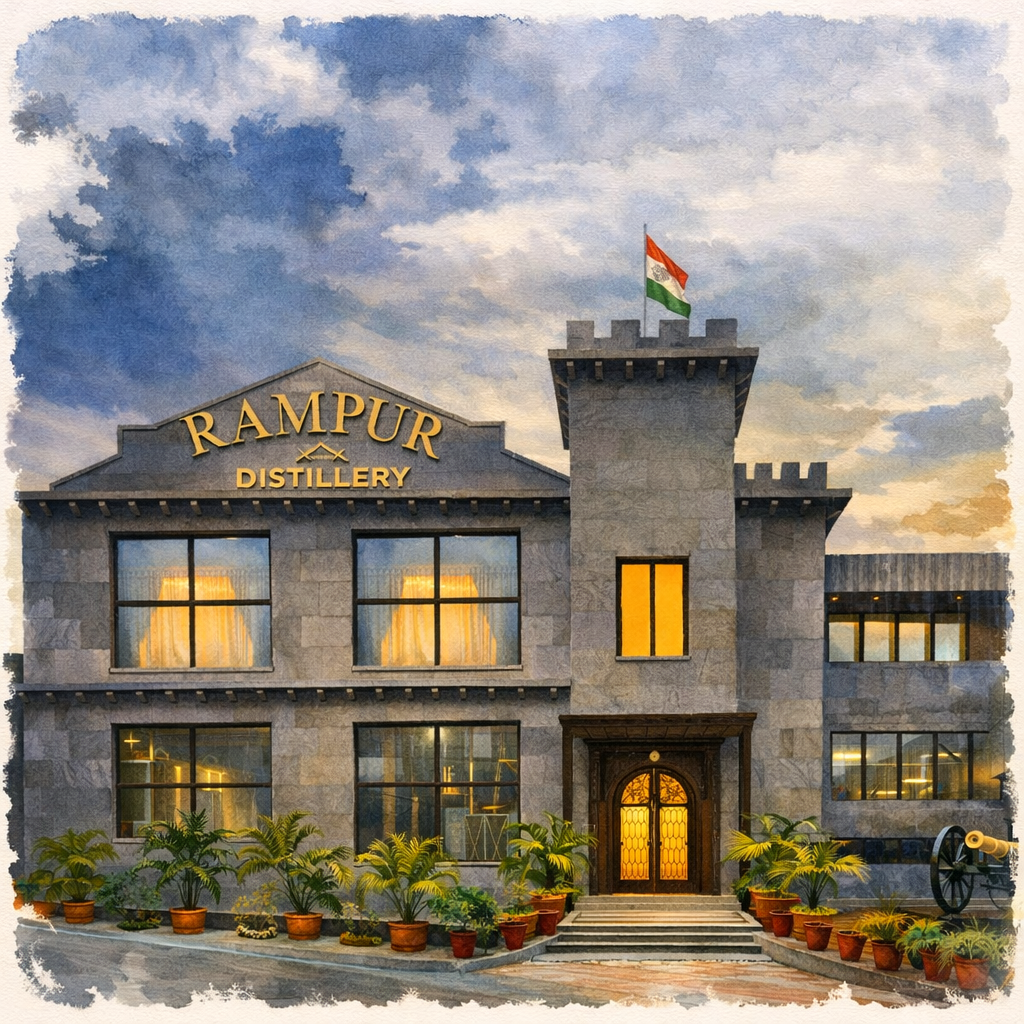
From the foothills of the Himalayas comes a quieter kind of confidence: Rampur Distillery.
Located in northern India, Rampur draws on extreme seasonal contrasts — scorching summers and cold winters — to shape a distinctive maturation rhythm. The distillery’s vision has always leaned toward refinement: to craft Indian single malts that express their climate and origin, but with composure and balance rather than sheer force.
Rampur whiskies are defined by stone fruit sweetness, a creamy mouthfeel, restrained spice, and beautifully integrated oak. There is structure here, but also polish. Each release reinforces a simple but powerful idea: Indian whisky can be sophisticated, elegant, and globally competitive — without losing its unmistakable character.
Indri: Piccadilly Distillery’s Global Statement
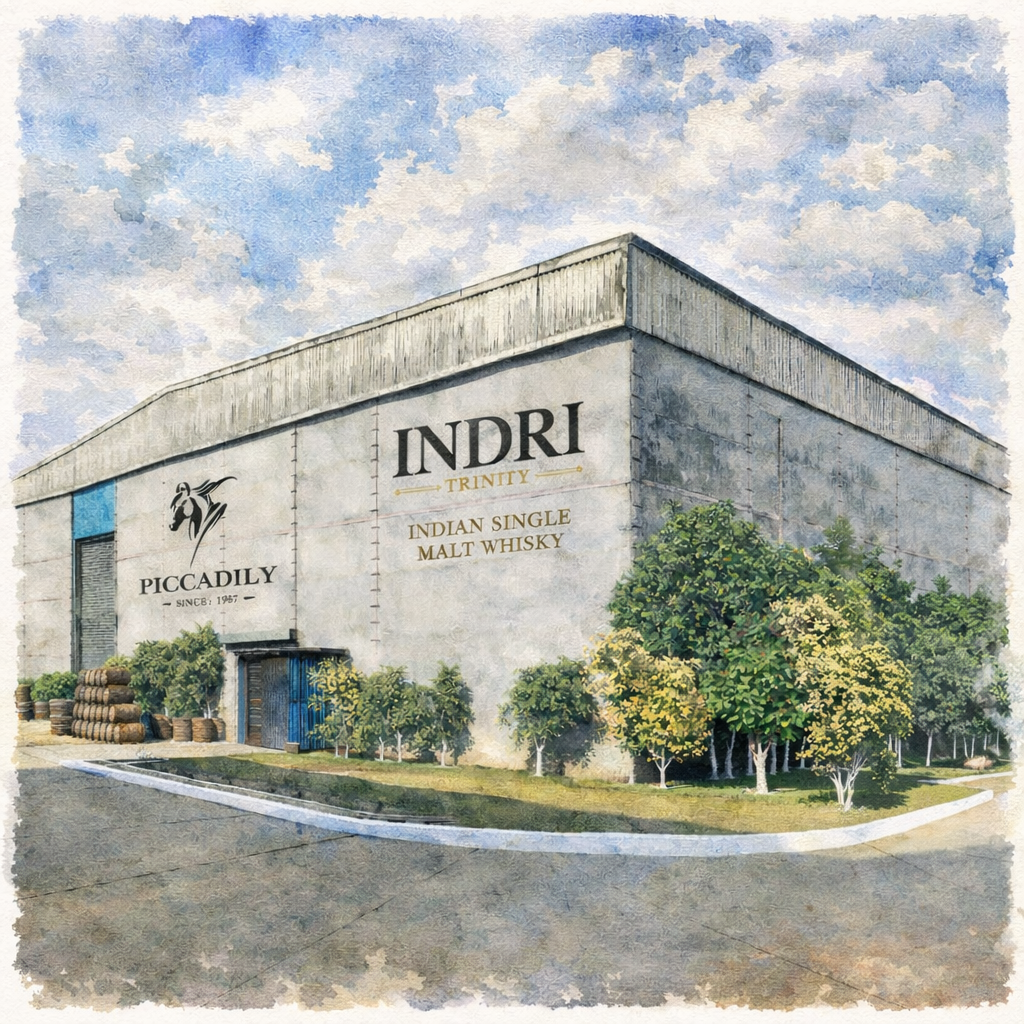
A new wave of confidence in Indian single malt is embodied by Piccadilly Distillery, the force behind the Indri range.
Based in Haryana, near the village of Indri, the distillery was built with a clear, modern vision: to create premium Indian single malts designed from day one for the global stage. With a focus on precision distillation, thoughtful wood management, and bold presentation, Piccadilly positioned Indri not as an experiment — but as a statement.
The flagship Indri-Trini The Three Wood quickly gained attention for its layered maturation, delivering ripe fruit, warming spice, caramel richness, and a polished oak backbone. It showed that contemporary Indian whisky could be both expressive and composed.
Then came Indri Dru Cask Strength, a more powerful interpretation that amplifies depth, intensity, and texture — a whisky we explore in detail in our Indri Dru review on Dram1. It captures the distillery’s ambition perfectly: bold, confident, and unapologetically Indian.
Piccadilly isn’t just adding to the category.
It’s accelerating it.
Godawan: Rajasthan’s Desert Identity
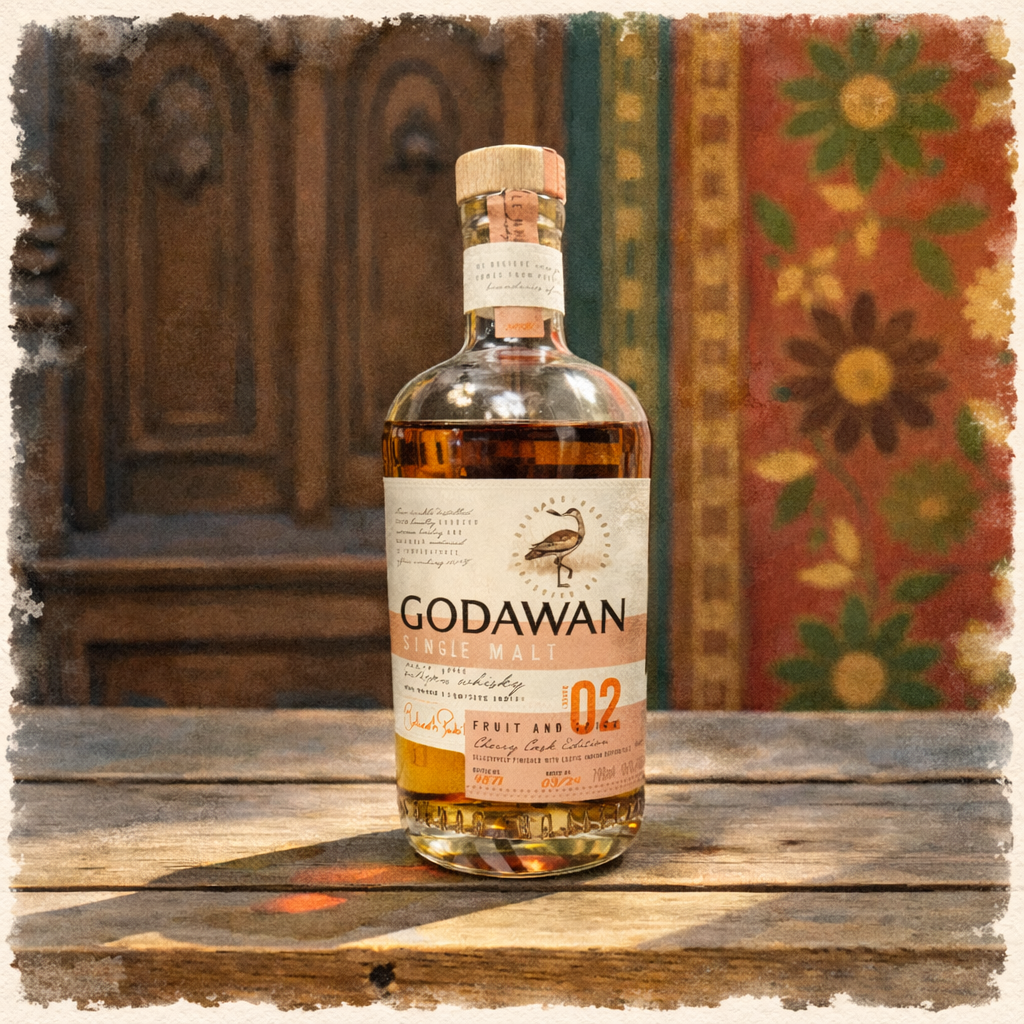
Godawan Whisky exemplifies the newest chapter in India’s single malt evolution — one grounded in a sense of place rather than imitation.
Hailing from the stark, sun-baked desert climate of Rajasthan, Godawan embraces extremes. Long days of heat and sharp diurnal shifts drive intense interaction between spirit and wood, resulting in deep spice, earthy warmth, and concentrated fruit character that feel unmistakably born of their environment. This is whisky that doesn’t just come from India — it speaks India.
The range captures a terroir-first philosophy: each expression reflects the lived reality of its maturation, with complexity and depth that reward patience and attention. It’s a distinctly Indian voice in single malt — rooted in land, climate, and craft.
Our take on one of the standout releases — the Godawan 02 — digs into how those elements coalesce in the glass; you can read the full breakdown in the Godawan 02 review on Dram1. In it, spice, orchard fruit, and a dry, sun-kissed framework showcase exactly what this desert-born single malt is capable of.
Godawan isn’t following a path.
It’s defining one.
Molasses vs Malt: Why the Distinction Is Critical
As Indian Whisky gains global attention, clarity is essential.
Yes, India remains the world’s largest whisky-consuming nation largely because of molasses-based blends. These products dominate domestic sales and are culturally significant.
But when discussing Indian Whisky’s international rise, we are talking about something different.
We are talking about malt-based single malts that adhere to globally recognised whisky-making standards.
These whiskies are:
- Made from 100% malted barley
- Distilled in copper pot stills
- Matured in oak casks
- Crafted with export-level quality control
Understanding that distinction is key to understanding why Indian Whisky is now winning awards and capturing enthusiasts worldwide.
Why Indian Whisky Is Capturing Global Attention
The excitement around Indian Whisky is not hype. It is rooted in tangible strengths.
First, the flavour profiles are bold and memorable. Tropical fruit, baking spice, dark cocoa, roasted nuts, and rich oak come together in ways that feel both exotic and structured.
Second, age statements do not dominate the conversation. Because of accelerated maturation, younger Indian whiskies can show impressive depth. This challenges traditional whisky thinking and invites drinkers to judge by flavour rather than number.
Third, innovation is embedded in the category. Wine cask finishes, multiple wood maturations, and climate-driven experimentation are common. Indian producers are not bound by centuries of rigid tradition. They are building their own.
For whisky drinkers exploring beyond Scotland, Ireland, and Japan, Indian Whisky offers something refreshing — authenticity without imitation.
The Future of Indian Whisky
The trajectory of Indian Whisky points clearly upward.
Export growth is accelerating. Premiumisation within India is rising rapidly as middle- and upper-class consumers increasingly choose high-quality domestic single malts over imported Scotch.
At the same time, greater regulatory clarity is likely to strengthen international trust in the category, particularly in differentiating molasses-based spirits from malt whisky.
We can also expect continued experimentation with cask types and maturation strategies. India’s climate creates unique conditions, and producers are only beginning to explore its full potential.
The most exciting part?
The category is still young.
Indian Whisky is not resting on heritage. It is building it in real time.
Frequently Asked Questions About Indian Whisky
Is Indian Whisky the most consumed whisky in the world?
Yes. India has been the largest whisky-consuming country for many years, driven primarily by strong domestic demand and high-volume brands.
Why don’t some Indian whiskies qualify under European regulations?
Many mass-market Indian whiskies are made from molasses-based neutral spirit rather than grain mash. European whisky regulations require spirits to be distilled from grain and matured in oak casks.
What is Indian single malt whisky made from?
Indian single malt whisky is made from 100% malted barley, distilled in pot stills, and matured in oak casks — meeting internationally recognised production standards.
Does India’s climate affect whisky maturation?
Yes. High temperatures and seasonal variation accelerate maturation, increase the angel’s share, and intensify oak influence, resulting in bold and concentrated flavour profiles.
Are Indian single malts considered high quality?
Absolutely. Distilleries such as Amrut, Paul John, Rampur, Indri, and Godawan have won international awards and receive strong critical acclaim.
Is Indian Whisky expensive?
Pricing varies. Entry-level expressions can be competitive, while premium releases and limited editions can rival established global brands.
Final Thoughts: Indian Whisky Is No Longer Emerging
For decades, Indian Whisky was defined by volume. Today, it is increasingly defined by vision.
The world’s largest whisky market is proving it can also be one of its most innovative producers. From Bangalore to Goa, from Rajasthan’s deserts to the foothills of the Himalayas, Indian single malt distilleries are crafting whiskies with identity, intensity, and global credibility.
This is not a passing trend.
It is a structural shift in the whisky world.
For drinkers, collectors, and curious enthusiasts, Indian Whisky is no longer a category to overlook.
It is a category to explore — deeply, enthusiastically, and without preconception.
And if you want to continue exploring emerging whisky regions, flavour profiles, and in-depth educational features, visit Dram1.com’s Academy and Reviews sections, where we break down the world of whisky with clarity, passion, and independence.