Cask Masters Linkwood 12 Port Barrique Review | DRAM1 Indie Award Tasting Panel
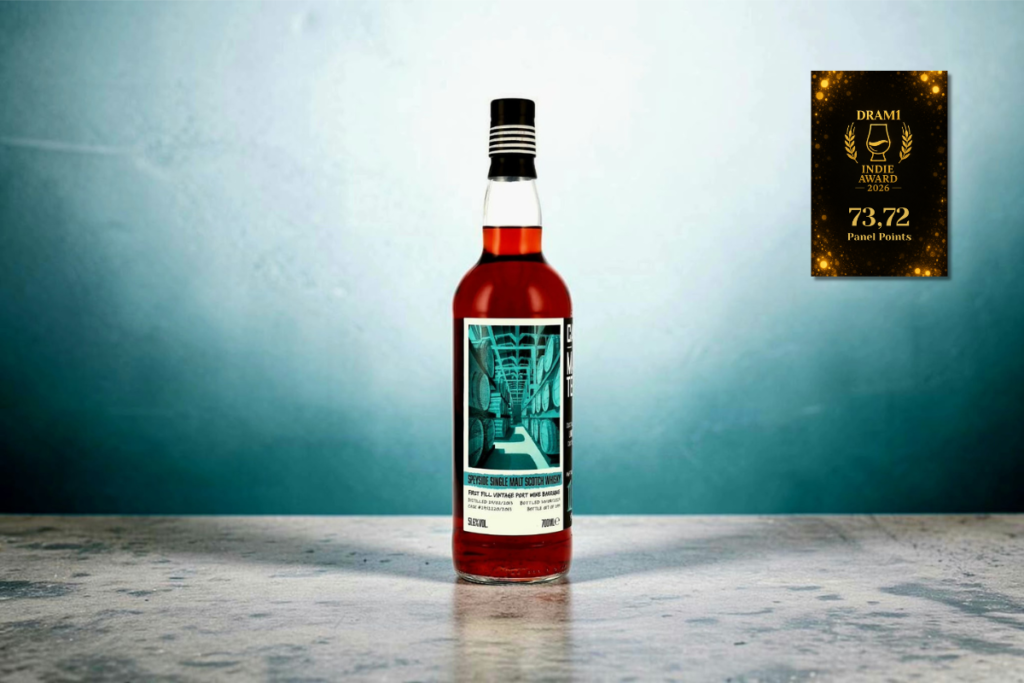
Some whiskies in the DRAM1 Indie Award proved almost impossible for the panel to identify. This Cask Masters Linkwood 12 was not one of them. Its striking reddish colour immediately had people thinking about Port, red wine and heavily wine-influenced maturation before they had even properly started nosing the glass.
Of course, nobody among our more than 160 panel members knew they were actually tasting a 12-year-old Linkwood from Cask Masters, finished in a first-fill Vintage Port Wine Barrique and bottled at 51.6% ABV. What followed was one of the more divisive tasting experiences of the competition. Some absolutely loved its enormous red-fruit character and rich texture, while others felt the Port influence had simply taken things a little too far.
Ultimately, that divide resulted in a very respectable 73.72/100. Perhaps more interesting than the number itself, though, was just how consistently the panel identified the character of this whisky while disagreeing rather spectacularly about whether that character was a good thing.
Tasting Notes: Cask Masters Linkwood 12 Port Barrique
Stats:
- Bottler: Cask Masters / Brave New Spirits
- Distillery: Linkwood
- Age: 12 Years Old
- Distilled: 25 February 2013
- Bottled: 30 August 2025
- Cask: #2412220/2013
- Cask Type: First-Fill Vintage Port Wine Barrique Finish
- ABV: 51.6%
- Outturn: 245 Bottles
- Natural Colour: Yes
- Non-Chill Filtered: Yes
Nose
Red fruit absolutely dominated the panel notes, and strawberries in particular appeared time and time again. Fresh strawberries, strawberry jam and even chocolate-covered strawberries were joined by raspberries, blackberries, cherries, plums, cranberries, raisins and dates. Several tasters also found brown sugar, caramel and honey, making this a particularly sweet and fruit-driven nose.
With more time in the glass, darker and more savoury aromas started appearing. Hazelnuts, liquorice, cinnamon, chocolate, coffee, leather and damp or wet wood were all mentioned, while some found a fresher side with malt, citrus, orange and light floral notes underneath all that Port-driven fruit.
Unsurprisingly, the colour had already planted the idea of wine maturation in plenty of minds, but the nose did little to convince them otherwise. Port and red wine were among the most common blind guesses, although several panellists initially wondered whether they might instead be dealing with an unusually fruity sherry cask.
Not everyone found the nose equally expressive. Some described it as subdued or relatively neutral beneath the red fruit, while others encountered a noticeable alcohol prickle when digging deeper. For those who loved this style, however, the combination of berries, dark fruit, sweetness and spice was immediately appealing.
Palate
If the nose suggested Port, the palate practically confirmed it for much of the panel. Strawberries, raspberries, cherries, plums, raisins and other dark red fruits returned in abundance, accompanied by caramel, brown sugar and chocolate. One panellist described it as a thick and chewy basket of dried dark-red fruit, while another simply found it luxurious, rich and complex.
The sweetness was balanced by considerably more spice than the nose initially suggested. Cinnamon, clove, ginger and pepper all appeared in the tasting notes, alongside coffee beans, liquorice, toasted wood and hazelnuts. Some tasters also picked up a slightly salty or briny quality underneath the fruit, adding an unexpected savoury element to what was otherwise an extremely wine-driven whisky.
This was also where the panel really began to split.
For some, the Port influence created a wonderfully full-bodied and indulgent whisky, with one taster praising its combination of prune, cinnamon, clove and cherries and describing the texture as having a lovely fat body. Others found the sweetness excessive, comparing it to stewed red fruit, sour gummies or chocolate-covered strawberries.
A third group struggled more with the wood influence. Bitter notes, drying tannins and heavily toasted oak became increasingly noticeable, while one panellist felt the whisky became progressively muddier and more bitter as it developed. Water helped somewhat for some tasters, although it never fundamentally changed the whisky’s heavily cask-driven personality.
Finish
The finish continued the combination of red fruit, spice and oak, although this was arguably where the whisky received most of its criticism. Strawberry jam, cherries and dried fruit remained present, but the sweetness gradually gave way to cinnamon, ginger, hazelnuts, toasted wood and drying tannins.
Several panellists enjoyed the warmth and intensity, describing a pleasant tingling sensation and a surprisingly powerful finish. Others found it shorter than expected given the richness of the palate, while the more critical notes mentioned bitterness, drying oak and even a faint sulphurous edge.
There was an interesting contrast here. Some described the finish as long, oily and warming, while others thought it disappeared surprisingly quickly. What nearly everyone seemed to encounter, however, was that transition from sweet red fruit towards something noticeably drier, spicier and more oak-driven.
DRAM1 Panel Verdict
Few whiskies demonstrated the value of blind tasting quite as clearly as this Cask Masters Linkwood 12. Without a distillery name, cask description or label influencing expectations, the panel was remarkably good at recognising what had happened to the spirit. Port and red wine guesses appeared repeatedly, while strawberries, cherries, raisins, brown sugar, chocolate and dark fruit ran through the tasting notes almost from beginning to end.
Agreeing on whether they actually liked it proved considerably harder.
At one end of the spectrum were panellists describing it as “cask driven, luxurious and yet balanced” and “class stuff”. Another enjoyed it enough to ask whether two bottles could immediately be reserved, calling it a unique addition to the collection. Others praised its beautiful colour, rich fruit and warm, spicy character.
At the opposite end were tasters who found it simply too sweet, too bitter or too heavily influenced by the cask. One particularly interesting blind observation questioned where the spirit itself had gone beneath all that Port influence, while another called it their least favourite whisky of the set.
And somewhere between those extremes sat a sizeable group who found it enjoyable and unusual without necessarily wanting to buy a bottle.
That makes its final score of 73.72/100 rather fascinating. This wasn’t a whisky that quietly collected points by being agreeable to everyone. Instead, it had a very clear personality and asked the panel to decide whether they were willing to go along with it.
For lovers of Port-driven whisky, there was plenty to enjoy: huge red fruit, strawberries, cherries, brown sugar, chocolate, spice and a rich texture. Those looking for the more delicate, fruity and floral side normally associated with Linkwood sometimes struggled to find the distillery underneath the wine cask.
It may not have united our DRAM1 Indie Award panel, but it certainly gave them plenty to talk about. And in a blind tasting involving dozens of independent whiskies, being memorable is no small achievement.