Dram1 Industry Insight: The Rise of Cask Finishes — Innovation, Identity, and a Changing Market
Walk into any whisky shop today and it’s immediately obvious: the shelves aren’t just lined with age statements and distillery names anymore — they’re a mosaic of cask finishes. Amarone, Madeira, rum, mezcal, beer, STR, hybrid casks with backstories longer than some distillery tours. It’s not a coincidence. It’s a full-blown shift in how whisky is being created, marketed, and experienced.
So what’s really driving this explosion of cask experimentation? And why are distilleries now proudly telling you exactly which winery or bodega their cask came from?
Let’s unpack it.
The Modern Whisky Drinker: Always Chasing the Next Experience
At the heart of it all is a simple truth: whisky drinkers today are more curious than ever.
There’s a growing appetite for the discovery of new cask finishes — not just drinking whisky, but exploring it. Fans want to see how their favourite distillery behaves when pushed in a new direction. What happens when a coastal peated spirit meets Madeira sweetness? What does a familiar malt taste like after a rum cask finish?
That curiosity fuels demand for:
- New flavour profiles
- Limited releases
- Unique finishing stories
- Bottles that feel like an “experience,” not just a drink
And distilleries are responding in kind.
A whisky finished in a clearly named Amarone cask, or sourced from a specific rum producer, immediately feels more distinct, more collectible, more worth chasing. It taps into that impulse we all recognise — “I haven’t tried that yet.”
From Classic to Creative: The Expanding Cask Palette
What’s fascinating isn’t just that finishes exist — it’s how far they’ve evolved.
🍷 Amarone Wine Cask — Power and Indulgence
Take the style explored in the Arran Amarone release. Amarone wine is made from dried grapes, concentrating sugars, tannins, and dark fruit intensity. The result?
- Chocolate
- Raisins
- Dense red fruit
- A velvety, almost dessert-like texture
This isn’t just “wine cask.” It’s one of the boldest, richest finishing styles available — and exactly the kind of profile that modern whisky drinkers are gravitating toward.Check out my Arran Amarone Cask Review to learn more!
🟠 Madeira Cask — Sweet Meets Coastal Complexity
Seen beautifully in releases like Ardnamurchan Madeira Cask expression (featured on Dram1), this style brings:
- Honeyed sweetness
- Light oxidative nuttiness
- A layered, slightly savoury depth
Pair that with peat and coastal spirit, and you get something far more dynamic than a straightforward sweet finish. Madeira is still underused compared to sherry or port, but it’s quietly becoming a favourite for distillers looking to add complexity without overwhelming the spirit.
🍯 Rum Cask — Tropical, But Not Simple
Rum finishes have been around for a while, but Dram1 has highlighted them in more experimental and indie contexts, like:
These casks bring:
- Pineapple
- Coconut
- Molasses
- Brown sugar
What’s interesting is how they can make even younger or blended whiskies feel richer, rounder, and more mature.
🍇 Sherry — Reinvented, Not Replaced
Sherry hasn’t gone anywhere — but it’s being used more creatively than ever.
From:
We’re seeing:
- Better integration (less overpowering dominance)
- Smaller casks for intensified interaction
- Cross-category experimentation (like rye + sherry)
It’s not about abandoning tradition — it’s about pushing it.
🧪 Hybrid & Layered Maturation — The New Frontier
Perhaps the most modern shift is away from single-cask storytelling toward interaction.
Think:
- Peat + fortified wine
- Coastal spirit + oxidative casks
- Multi-stage maturation that isn’t always labeled “double cask,” but effectively is
This layered approach creates whiskies that evolve in the glass, offering complexity that goes beyond a single finishing influence.
Cask Finishes Are Not Just Creativity — It’s Economics
While the creative side gets the spotlight, there’s a very real, very practical force behind this trend: cask economics.
Sherry casks are the clearest example.
- The demand for sherry casks is now higher than the demand for sherry itself
- Much of today’s sherry production is effectively geared toward supplying the whisky industry
- As a result, a sherry cask can cost five times more than an ex-bourbon cask
And ex-bourbon casks — long the industry’s backbone — are no longer immune to pressure either.
With tariffs, trade tensions, and ongoing uncertainty tied to policies from recent U.S. administrations, prices are rising. There’s even ongoing discussion about changing bourbon regulations to allow casks to be reused — which, if implemented, would further reduce supply and push prices up.
So distilleries are adapting.
They’re:
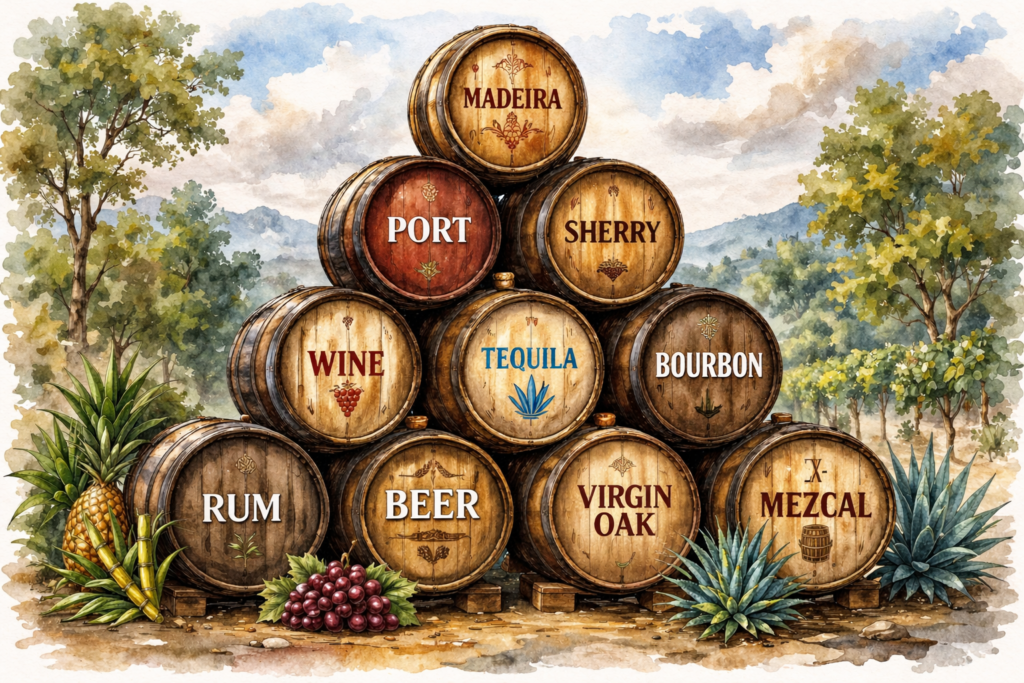
- Exploring alternative cask sources (wine, rum, tequila, beer)
- Experimenting with STR casks (shaved, toasted, re-charred)
- Using virgin oak with varied toast and char levels
- Rejuvenating older casks to extend usability
This isn’t just about innovation — it’s about survival in a shifting supply chain.
Why Naming the Source Matters
You’ll also notice more bottles specifying:
- The exact winery
- A particular bodega
- A named rum distillery
That’s not just marketing fluff.
It:
- Adds authenticity
- Signals quality and provenance
- Differentiates one release from another in a crowded market
In a world where everyone is finishing whisky, story becomes just as important as flavour.
A Personal Take: Where I Stand on the Cask Craze
I’ll be honest — I love seeing the experimentation. Unique cask finishes keep whisky exciting, pushes boundaries, and introduces flavours we simply wouldn’t have imagined a decade ago.
But for me, there’s a line.
I still gravitate toward casks that let the spirit shine:
- Ex-bourbon
- Ex-sherry (especially Oloroso, with Palo Cortado as a personal favourite)
And I’m a firm believer in oak as the backbone of whisky maturation — something Scotland enforces strictly, and honestly, I’m glad they do.
Outside Scotland, we’re seeing maturation in:
- Acacia
- Chestnut
- Maple
And while that’s fascinating, I’ve had drams — including ones finished in maple syrup casks — that tipped into overly sweet, almost cloying territory. At that point, the whisky starts to lose its identity.
Balance is everything.
That said, I wouldn’t want the experimentation to stop. Not even close. The industry should keep pushing — as long as there’s still room on the shelf for the classics.
The Bottom Line: A Trend That’s Here to Stay
The rise of cask finishes isn’t a gimmick. It’s the result of three forces colliding:
- Consumer curiosity — drinkers chasing new experiences
- Brand strategy — staying relevant and exciting in a crowded market
- Economic pressure — rising cask costs forcing innovation
And when those three align, you don’t get a passing trend — you get a fundamental shift.
For whisky lovers, that means more choice, more creativity, and more stories in every glass.
Not all of them will hit the mark. Some will be overdone. Some will feel like experiments for the sake of it.
But every now and then, one of those casks will land perfectly — and remind you exactly why this evolving, unpredictable industry is so much fun to follow.