
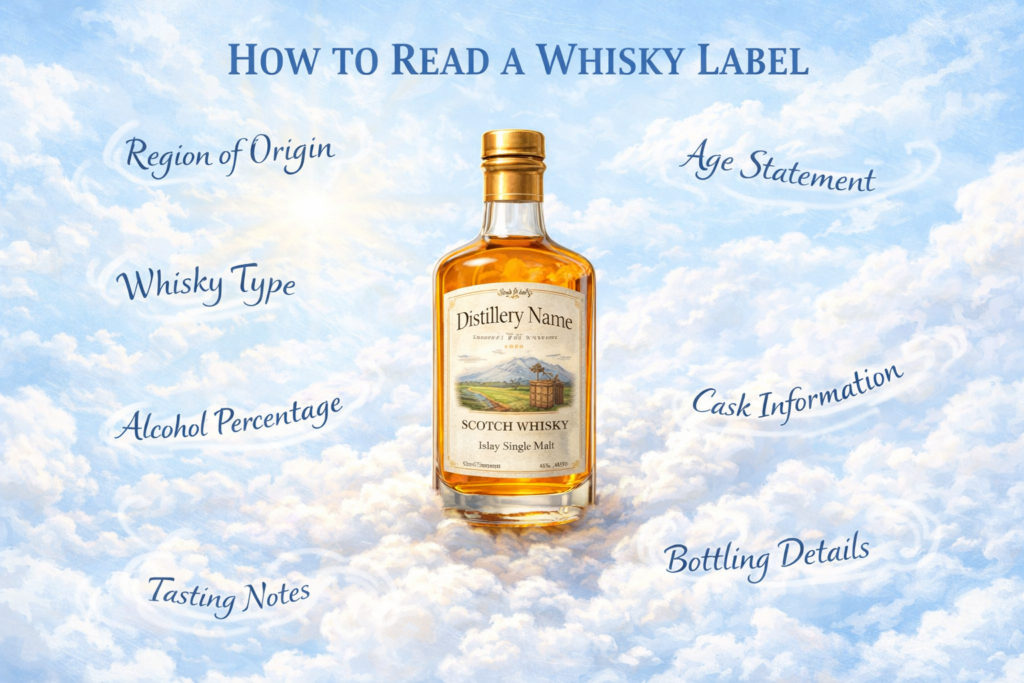
How to Read a Whisky Label
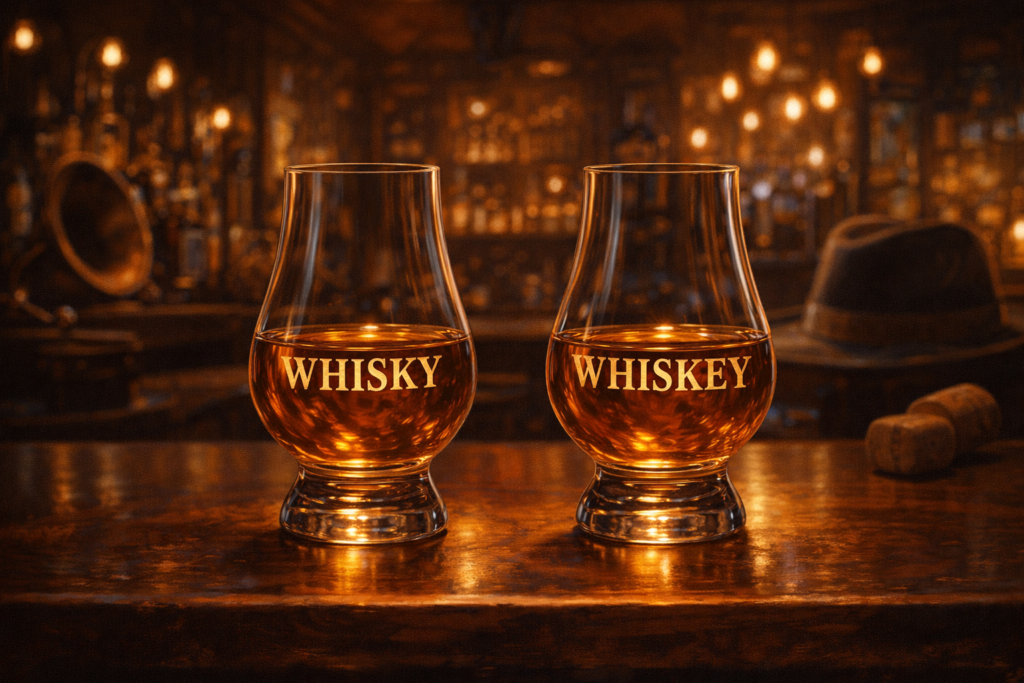
Whisky or Whiskey?
Whisky or Whiskey: Why One Little “E” Still Matters If you spend enough time around…
The Best Whisky Blogs
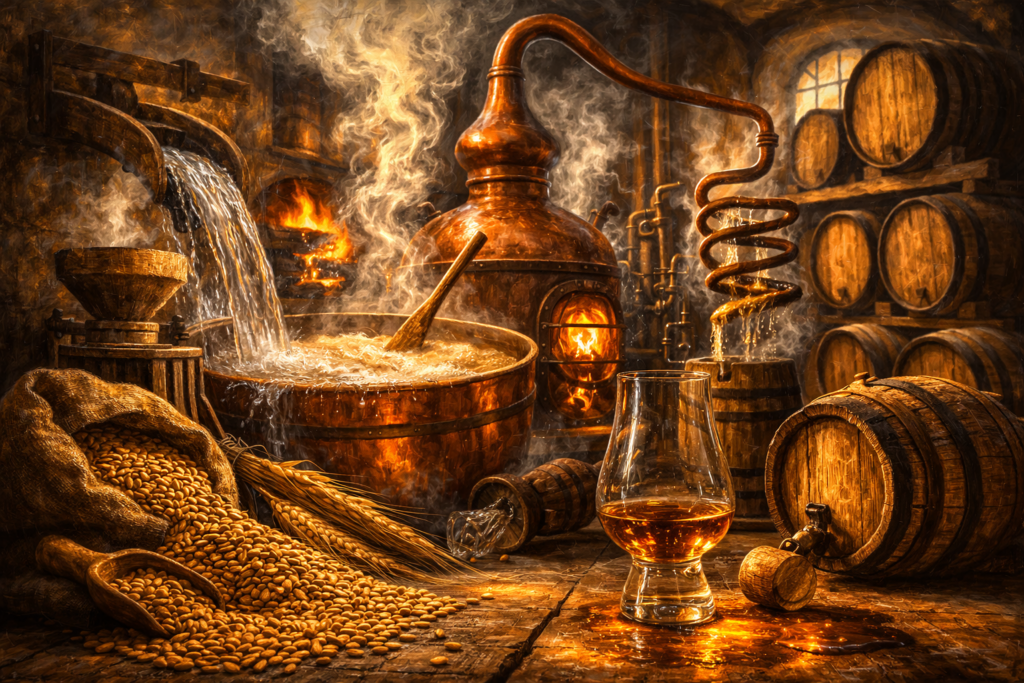
How Is Whisky Made?

Indian Whisky Explored

The Best Whisky Glass

Whisky Cocktails
How to Store Whisky

Whisky Price Explained

Scotch Whisky Malts & Blends Explained
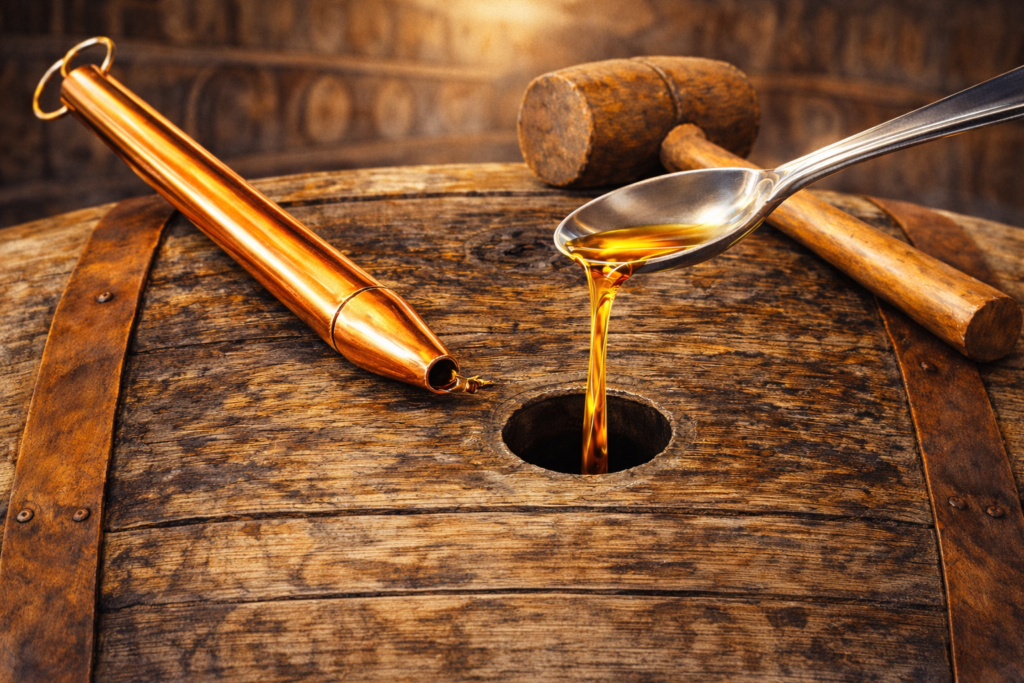
Teaspooning Explained
Whisky Grains Explained
The Angel’s Share
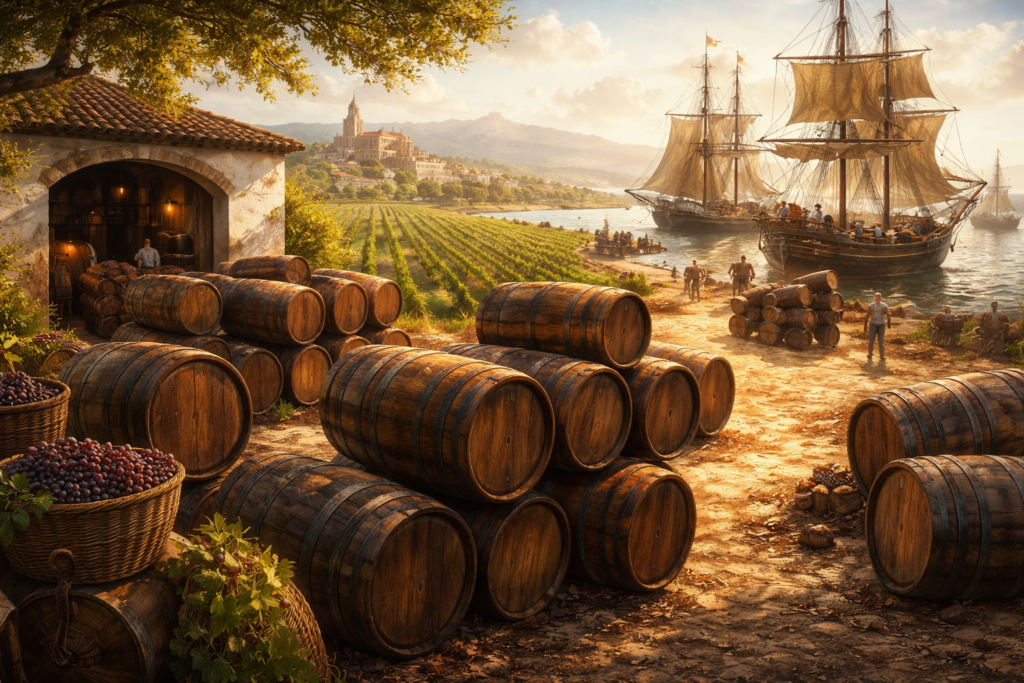
Sherry Casks and Whisky
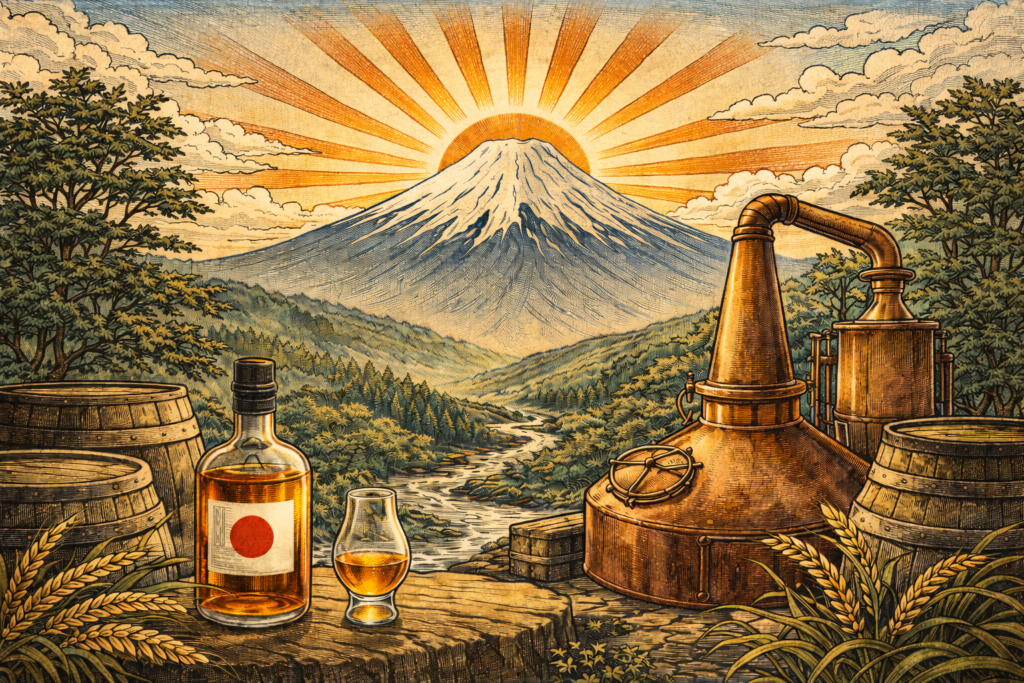
Japanese Whisky Explained
From Two Dreamers to a Global Obsession There was a time—not all that long ago—when…
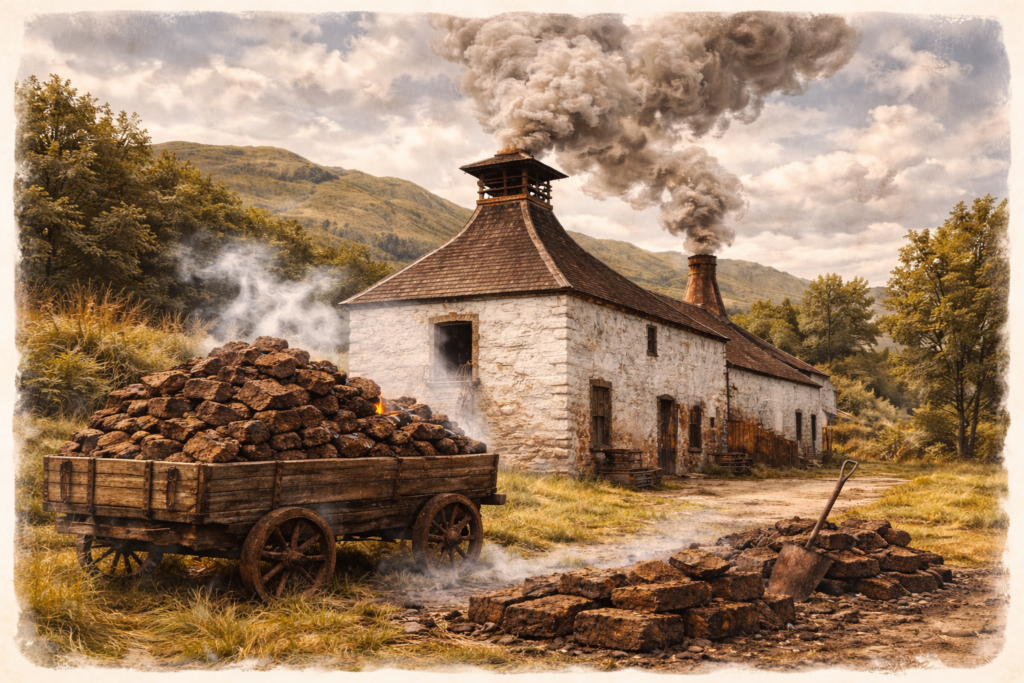
What Really Makes a Whisky Smoky?
A Deep Dive into Phenols & Peat If you’ve spent any time around whisky —…
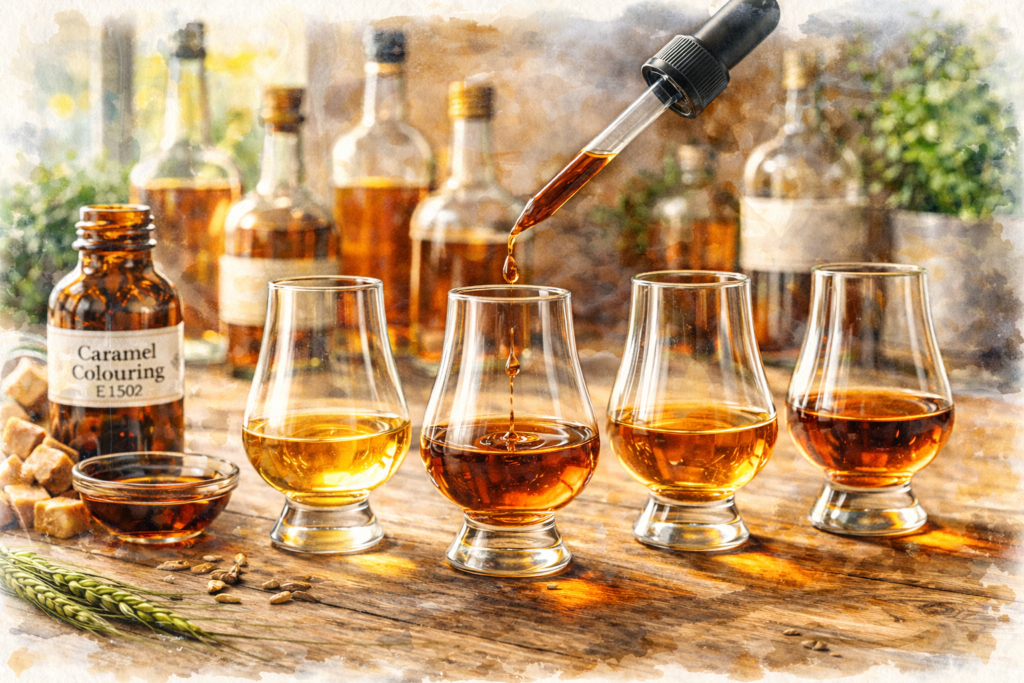
Natural Colour in Whisky
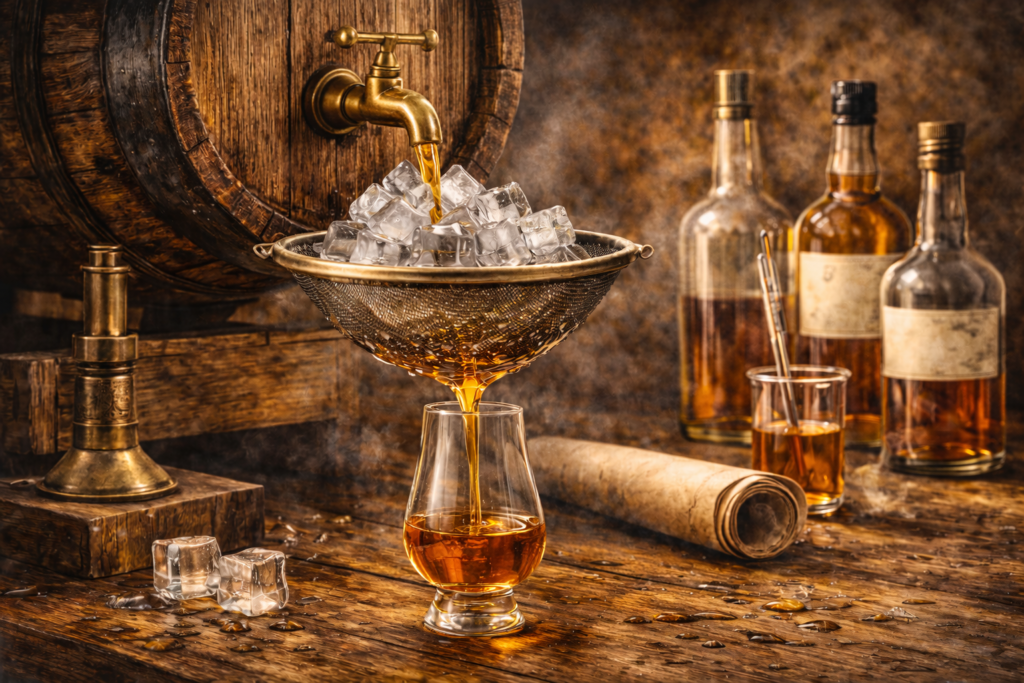
Chill-filtration explained
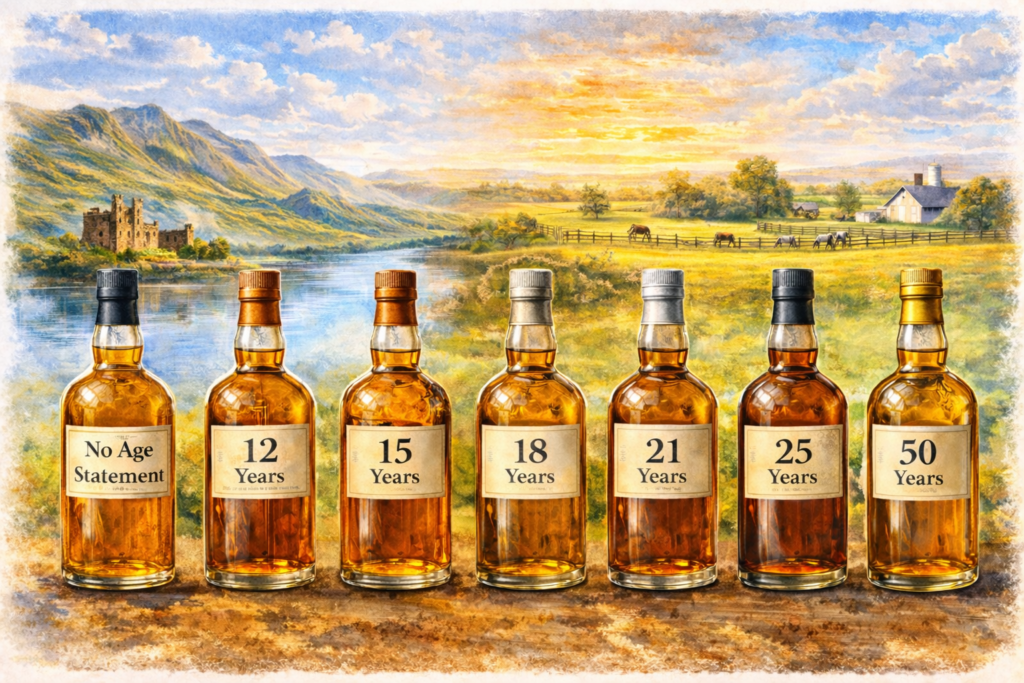
The Age of Whisky
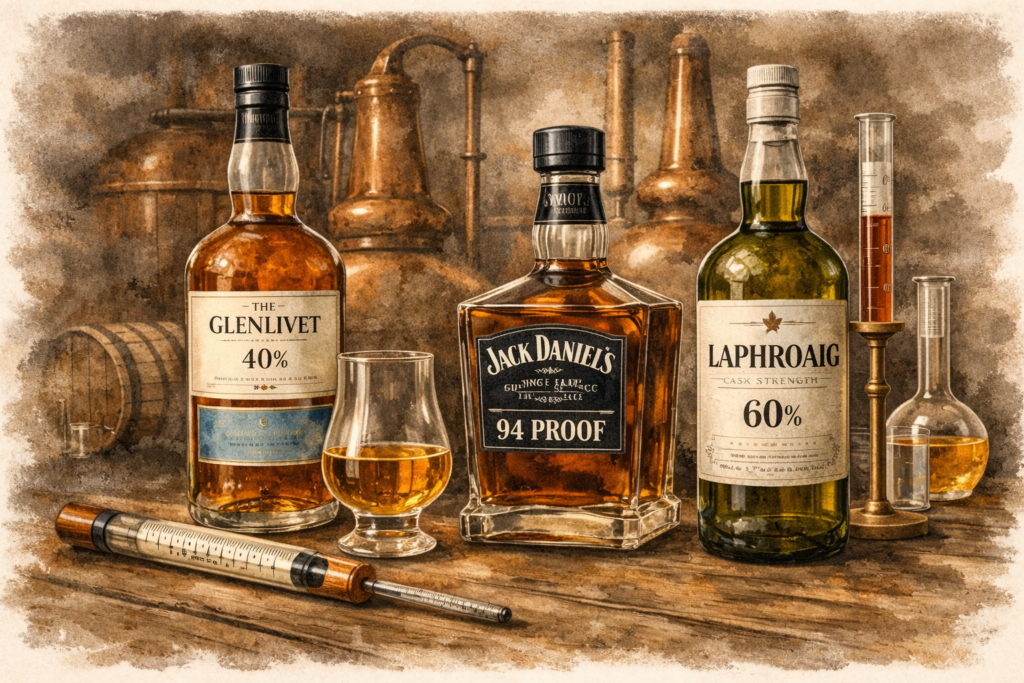
Whisky Proof & ABV Explained
About the DRAM1 Whisky Academy
The Whisky Academy is a sectioin of the Dram1 dedicated space for learning about whisky in a clear, practical, and approachable way. These articles are designed to help readers understand whisky beyond the label — exploring its history, production, styles, flavours, and traditions, while building confidence in what’s in the glass.
Whether you’re new to whisky or looking to deepen your knowledge, the Whisky Academy focuses on explanation rather than hype. The aim isn’t to tell you what to buy, but to help you understand why whiskies taste the way they do, how they’re made, and how small decisions along the way shape the final spirit.
Learning whisky, step by step
Whisky can feel intimidating at first. Age statements, cask types, distillation methods, regional styles, and tasting language often assume prior knowledge. The Whisky Academy exists to bridge that gap.
Articles in this section break whisky down into understandable pieces — from the basics of how whisky is made, to more detailed discussions around maturation, blending, fermentation, and flavour development. Each post is written with clarity in mind, building knowledge gradually and avoiding unnecessary jargon.
You’ll find content that explains:
- What whisky is, and how it differs across countries and styles
- How barley, yeast, water, and time influence flavour
- The role of copper stills, distillation cuts, and spirit character
- How casks shape aroma, texture, and finish
- Why age statements matter — and when they don’t
The focus is always on understanding, not memorisation.
Understanding what’s in the glass
One of the core goals of the Whisky Academy is helping readers connect production choices to tasting experience. Why does one whisky feel oily while another feels light? Why do some drams lean fruity, smoky, spicy, or sweet?
Academy articles explore:
- Tasting fundamentals: nose, palate, finish, and balance
- Common whisky flavour profiles and where they come from
- How to taste whisky thoughtfully without overcomplicating it
- The influence of alcohol strength, chill filtration, and additives
Rather than prescribing “correct” tasting notes, the emphasis is on helping you recognise patterns, develop your own palate, and understand what you’re experiencing.
Whisky history and tradition
Whisky doesn’t exist in a vacuum. Its evolution is shaped by geography, economics, regulation, and culture — and understanding that context adds depth to every dram.
The Whisky Academy includes articles on:
- The history of whisky in Scotland and beyond
- The development of distilleries, styles, and regions
- How laws and definitions shaped modern whisky
- Traditional practices versus modern innovation
These posts aim to give historical context without turning whisky into a museum piece. Tradition matters, but so does how whisky continues to evolve today.
Clear, independent, and reader-focused
The Whisky Academy is written independently and without brand influence. The goal is education, not promotion. When opinions appear, they’re clearly framed as interpretation, not instruction.
Every article is written with the reader in mind:
- Clear explanations
- Logical structure
- Practical examples
- No assumption of prior expertise
Whether you’re preparing for your first tasting, trying to understand a label, or simply curious about how whisky works, the Academy is designed to meet you where you are.
Built to complement reviews
The Whisky Academy works alongside Dram1’s whisky reviews. Reviews answer the question “What does this whisky taste like?” The Academy answers “Why does it taste like that?”
Together, they create a fuller picture — combining experience with understanding.
The Whisky Academy is for anyone who wants to learn whisky properly: at their own pace, without pressure, and without being told what they should like. If you’re curious about whisky’s history, its production, and what’s really happening in the glass, this is where that journey begins.