Whisky Cocktails: From Apothecaries to the Modern Bar
Whisky cocktails are not a modern invention, nor are they a compromise for those who “don’t drink whisky neat”. They are foundational to the history of drinking itself. Long before whisky was treated as a sacred sipping spirit, it was mixed, balanced, and refined into cocktails that shaped bar culture as we know it.
From early medicinal preparations to elegant pre-Prohibition classics and modern craft creations, whisky cocktails chart the evolution of taste, technique, and social drinking. Understanding them is not a detour from whisky appreciation — it is part of it.
The Origins of Whisky Cocktails
The first known definition of a cocktail appeared in 1806, describing a mixture of spirit, sugar, water, and bitters. That formula mirrors what many still consider the purest expression of a whisky cocktail today.
In the 19th century, whisky quality was inconsistent. Mixing whisky was not about disguising flavour, but about improving balance and drinkability. American rye and bourbon dominated early cocktail culture, while Scotch whisky appeared in punches, toddies, and later spirit-forward drinks as international trade expanded.
By the late 1800s, whisky cocktails were firmly established in hotel bars, private clubs, and saloons across Europe and North America.
Prohibition, Decline, and Rediscovery
Prohibition disrupted cocktail culture and rewarded concealment over craft. Whisky cocktails survived, but often in compromised form, built to mask poor-quality alcohol rather than showcase it.
When Prohibition ended, vodka’s neutrality and aggressive marketing pushed whisky further from the cocktail spotlight. For decades, whisky cocktails survived largely through a small number of classics.
The modern cocktail revival of the early 2000s changed everything. Bartenders returned to historical sources, precise measurement, and fresh ingredients. Whisky cocktails once again became about balance, clarity, and respect for the spirit.
Do Better Whiskies Make Better Whisky Cocktails?
There is a persistent myth that whisky cocktails should only be made with “cheap” whisky. While value matters, quality whisky does not disappear when mixed — it reshapes the drink.
Better whiskies tend to offer clearer flavour definition, better integration with bitters, citrus, and sugar, and a longer, more structured finish. In spirit-forward whisky cocktails like the Old Fashioned, Manhattan, and Rob Roy, whisky quality is immediately noticeable. In brighter drinks such as the Whisky Sour or Paper Plane, higher-quality whisky adds depth beneath acidity rather than being drowned out by it.
This does not mean using rare or collectible bottles. Stepping into the well-made $40–$60 range often elevates whisky cocktails from good to genuinely memorable.
Essential Whisky Cocktails: History, Recipes, and Bottle Picks
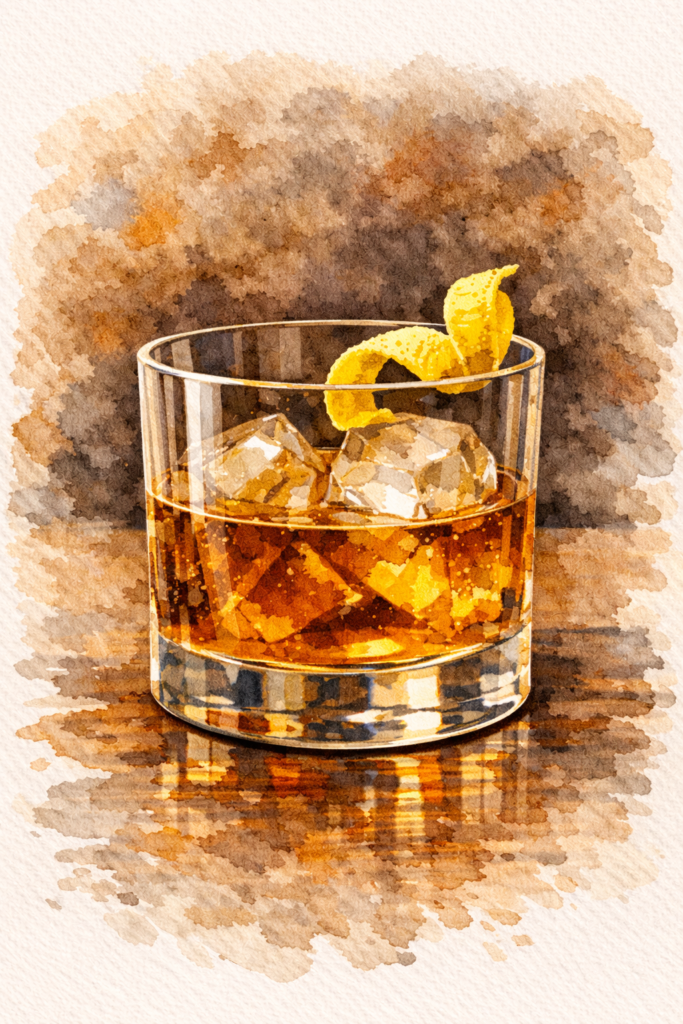
Old Fashioned
History
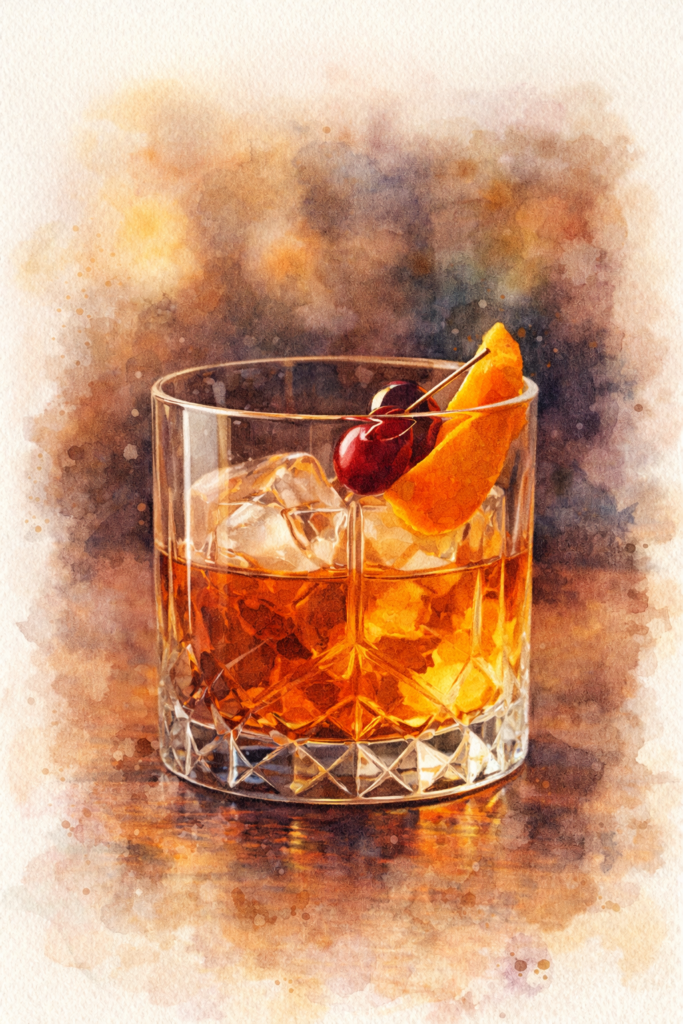
The Old Fashioned is widely regarded as the earliest true cocktail. Its structure predates the name itself, originating in the early 19th century when drinkers requested spirits prepared “the old-fashioned way”. Over time, whisky — particularly bourbon and rye — became the natural base, and the drink evolved into a benchmark of balance and restraint. Its longevity comes from how little it asks of a recipe: if your whisky is good, the cocktail is good. If your whisky is thin or harsh, there is nowhere to hide.
Ingredients
- 60ml (2oz) bourbon or rye whisky
- 1 sugar cube or 5ml (⅙oz) sugar syrup
- 2–3 dashes aromatic bitters
Method
Dissolve sugar with bitters and a small splash of water in a rocks glass. Add ice, pour over whisky, and stir gently.
Whisky tip
Buffalo Trace works brilliantly as a dependable, cocktail-friendly bourbon. For a premium step-up, Old Forester 1920 brings rich oak, dark sugar, and spice that stays vivid through dilution.
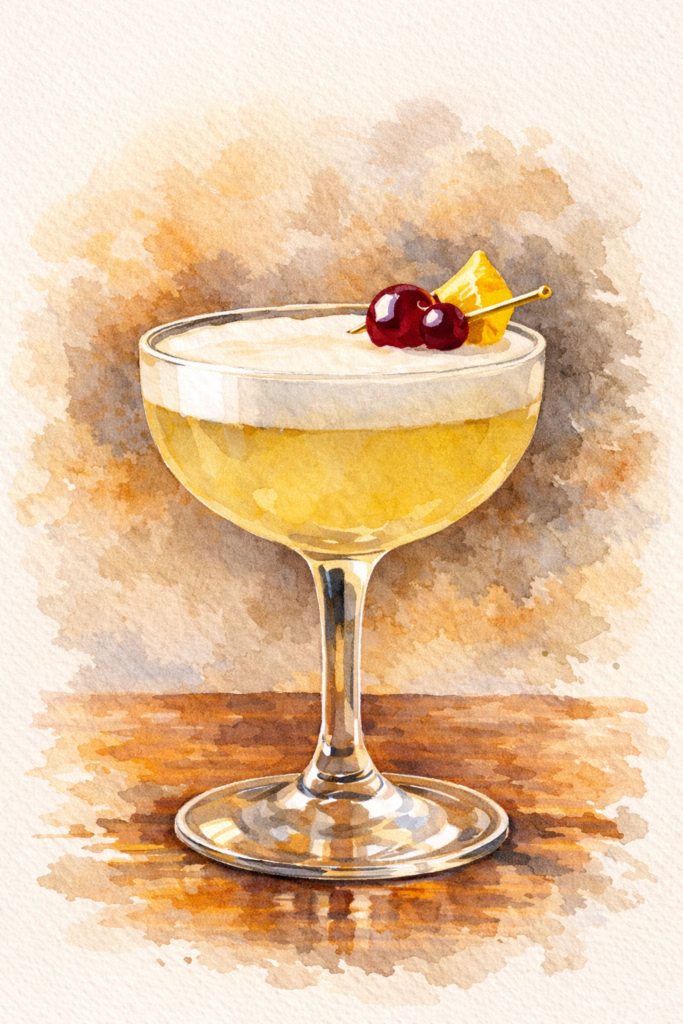
Whisky Sour
History
The Whisky Sour belongs to the broader “sour” family, a format that predates modern cocktail bars by well over a century. Its roots are tied to early maritime drinking, where citrus and sugar were not just flavourings but practical tools for making spirits more palatable and preserving ingredients on long journeys. By the mid-1800s, the Whisky Sour was appearing in print and had become a mainstay thanks to its simplicity and reliability. In the modern era, the drink’s reputation suffered when sour mix became common; the revival of fresh lemon and proper ratios restored it as one of the most satisfying whisky cocktails when made correctly.
Ingredients
- 50ml (1⅔oz) bourbon or rye whisky
- 25ml (¾oz) fresh lemon juice
- 15–20ml (½–⅔oz) sugar syrup
- Optional: egg white
Method
Shake all ingredients with ice. Double strain into a rocks glass over fresh ice.
Whisky tip
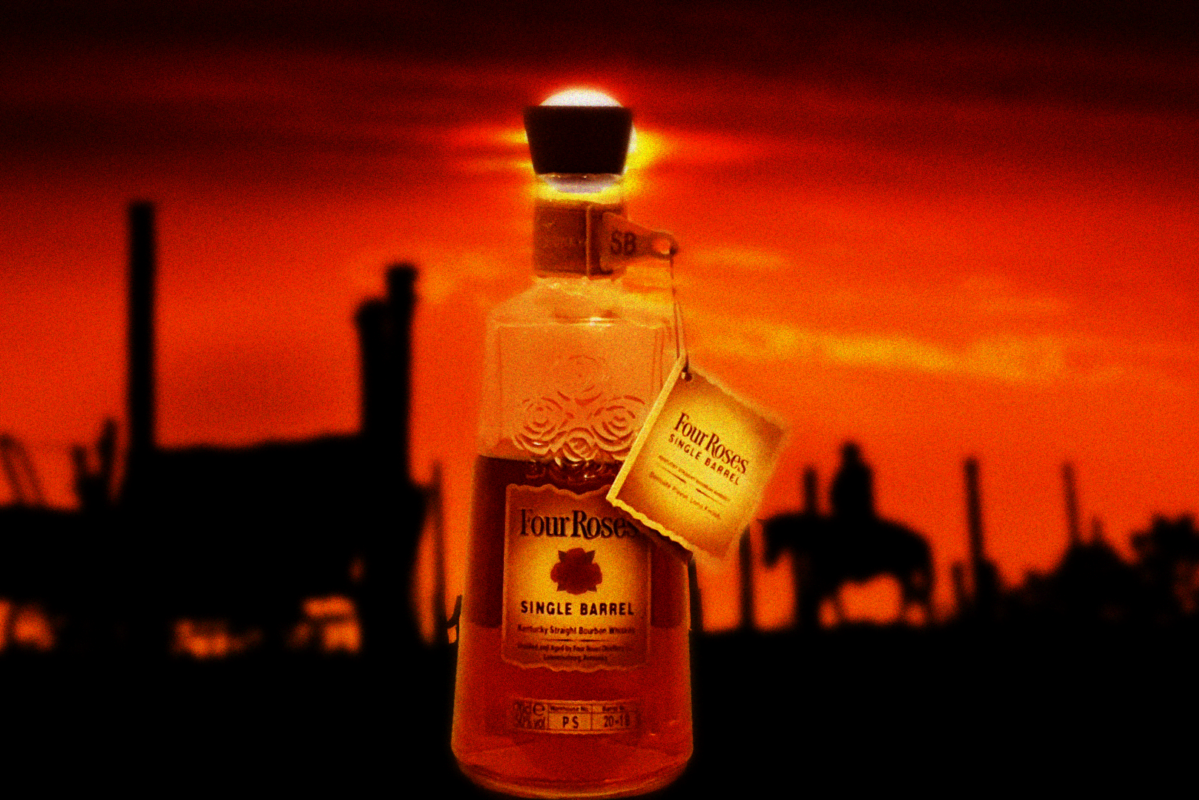
Maker’s Mark gives a soft, rounded Sour that suits most palates. For a premium step-up, Four Roses Single Barrel adds fruit, spice, and definition that holds its own against the lemon.
Highball
History
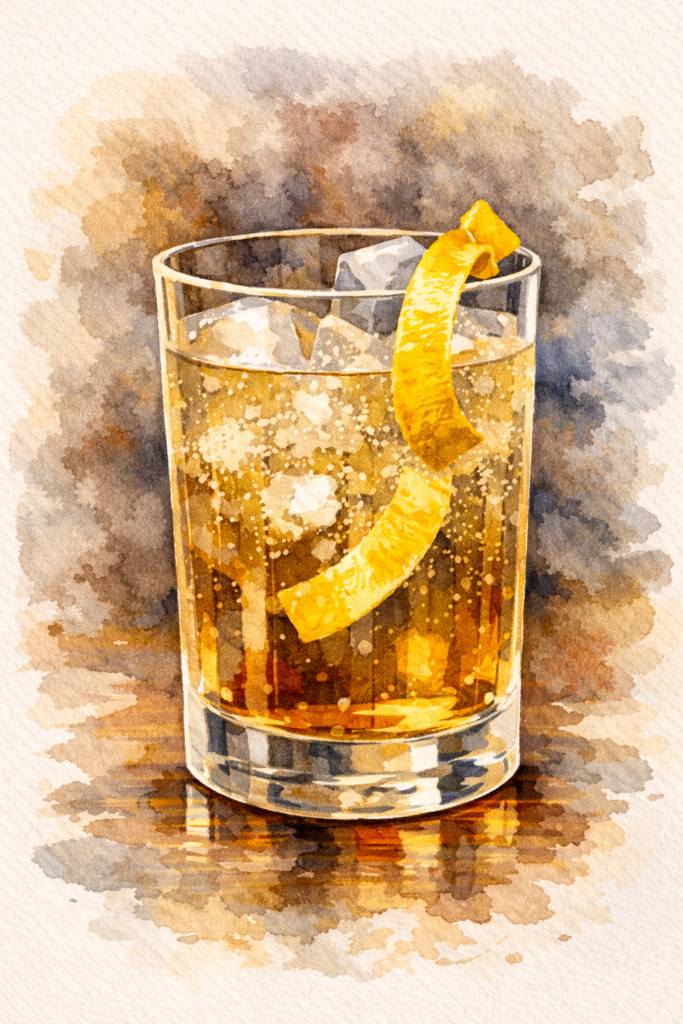
The Highball is deceptively simple, and that simplicity is exactly why it matters. Originating in the late 19th century, it became a long drink that suited social drinking: refreshing, lower in intensity, and easy to repeat. In Japan, the Highball evolved into something closer to a ritual — ice clarity, glass temperature, carbonation, and gentle handling became the difference between ordinary and exceptional. In whisky cocktail terms, the Highball is the clearest proof that technique can matter as much as ingredients.
Ingredients
- 40–50ml (1½–1⅔oz) whisky
- Chilled soda water
Method
Fill a tall glass with ice. Add whisky, top gently with chilled soda water, and stir once.
Whisky tip
Suntory Toki is made for Highballs and stays bright when lengthened. For a premium step-up, Hakushu 12 brings fresh, lightly smoky complexity that makes the drink feel effortless but special.
Manhattan
History
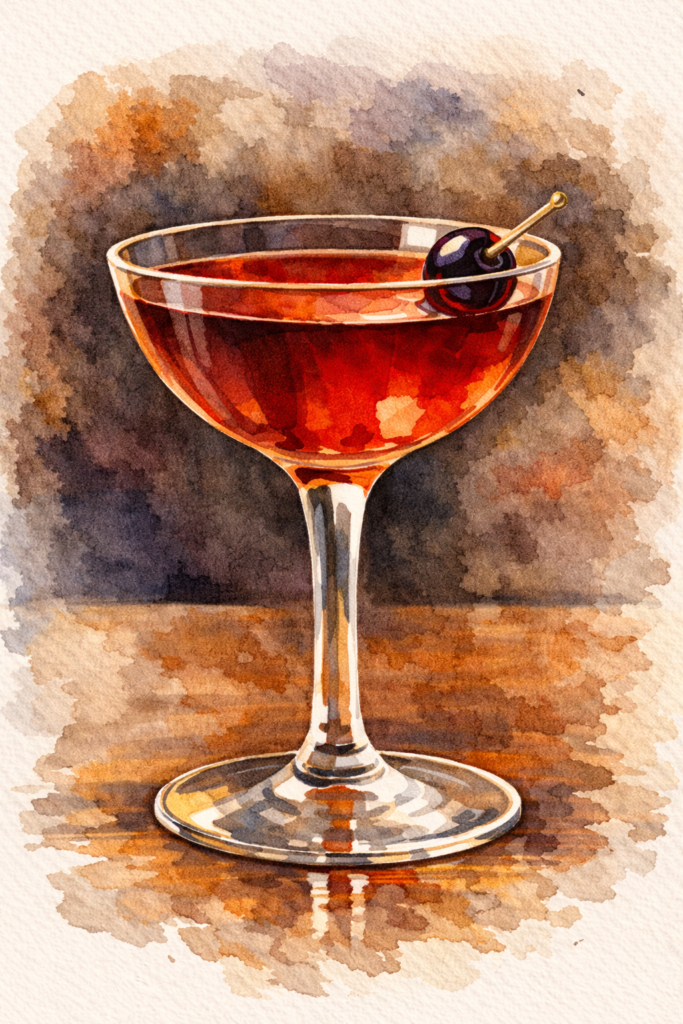
The Manhattan emerged in the late 1800s and became a defining template for spirit-forward whisky cocktails. Rye whisky originally led the way, pairing naturally with sweet vermouth’s herbal richness and bitters’ spice. It represents a shift in cocktail culture from simple sweetening and dilution to structured, layered flavour. A good Manhattan is not merely “boozy”; it should feel composed, where whisky and vermouth meet in the middle rather than fight for attention.
Ingredients
- 50ml (1⅔oz) rye whisky
- 25ml (¾oz) sweet vermouth
- 2 dashes aromatic bitters
Method
Stir with ice and strain into a chilled coupe.
Whisky tip
Bulleit Rye is a classic, easy win for a spicy Manhattan. For a premium step-up, WhistlePig 10 brings refined rye complexity that elevates the drink without losing its backbone.
Rob Roy
History
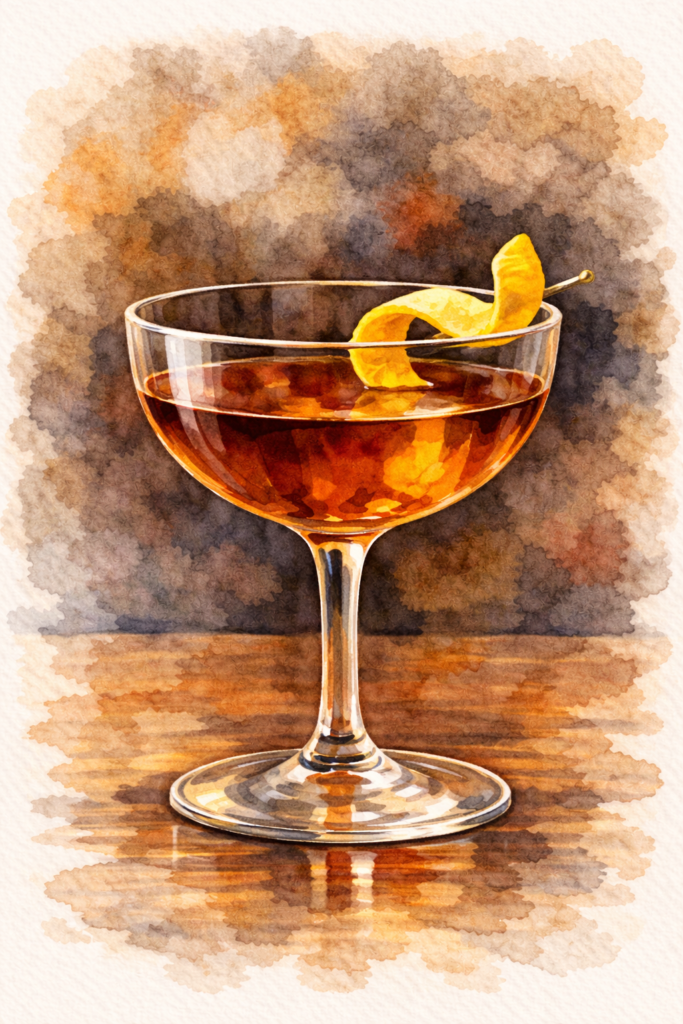
Created in the 1890s at the Waldorf Astoria, the Rob Roy is effectively a Manhattan’s Scotch sibling. Its arrival coincided with Scotch whisky’s growing prestige abroad, and it gave drinkers a spirit-forward cocktail where Scotch’s malt character could take centre stage. The Rob Roy also highlights a key truth about whisky cocktails: changing the whisky style can transform the entire drink’s personality, even when the structure stays the same.
Ingredients
- 50ml (1⅔oz) Scotch whisky
- 25ml (¾oz) sweet vermouth
- 2 dashes aromatic bitters
Method
Stir with ice and strain into a chilled glass.
Whisky tip
Johnnie Walker Black Label balances malt, smoke, and sweetness without dominating. For a premium step-up, Highland Park 12 brings honeyed depth and gentle peat that feels made for vermouth.
Rusty Nail
History
The Rusty Nail rose to prominence in the mid-20th century, particularly in post-war America, where it became shorthand for a certain kind of whisky drinker: someone who wanted richness, warmth, and minimal fuss. Drambuie’s honeyed, spiced profile makes the drink taste almost like a liqueur-forward Old Fashioned, but the choice of Scotch matters hugely. Too light and the drink becomes cloying; too smoky and it can turn medicinal. When matched well, it is one of the most comforting whisky cocktails in the canon.
Ingredients
- 45ml (1½oz) Scotch whisky
- 25ml (¾oz) Drambuie
Method
Build over ice in a rocks glass and stir gently.
Whisky tip
Talisker 10 adds peppery coastal smoke that keeps the sweetness in check. For a premium step-up, Oban 14 brings a poised, coastal fruitiness that makes the Rusty Nail feel elegant rather than heavy.
Paper Plane
History
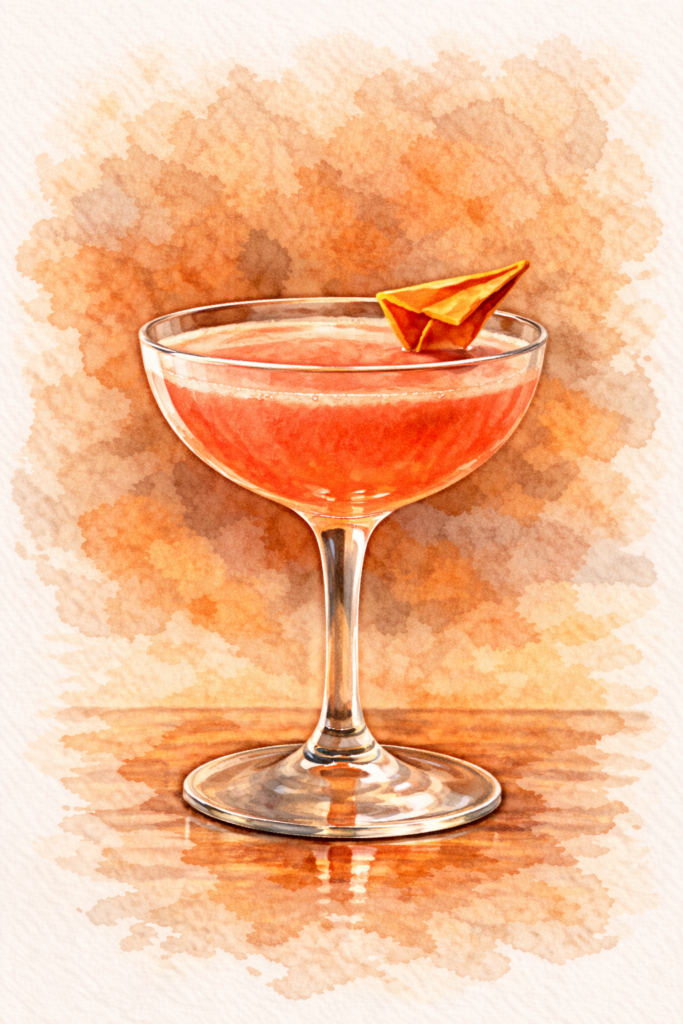
Created in 2007 by Sam Ross, the Paper Plane is a modern classic that helped redefine contemporary whisky cocktails. Its equal-parts structure makes it approachable, but its flavour is surprisingly grown-up: bourbon’s sweetness, Aperol’s bittersweet orange, Amaro Nonino’s herbal depth, and lemon’s lift. It is also a key marker of the modern era, showing how bartenders began building whisky cocktails that were bright and balanced without relying on gimmicks.
Ingredients
- 20ml (⅔oz) bourbon
- 20ml (⅔oz) Aperol
- 20ml (⅔oz) Amaro Nonino
- 20ml (⅔oz) fresh lemon juice
Method
Shake with ice and strain into a chilled coupe.
Whisky tip
Buffalo Trace is a near-perfect fit and stays present in the mix. For a premium step-up, Four Roses Small Batch Select adds structure and spice that makes the drink feel more layered and less “sweet-and-sour”.
Whisky Cocktails in the Modern Age
Modern whisky cocktails prioritise balance, technique, and respect for the spirit. While methods evolve, the principle remains unchanged: whisky should lead, not disappear. Fresh citrus, proper ice, accurate measures, and smart whisky selection are what separate a cocktail from a mixed drink.
Whisky cocktails are now as much about exploration as they are about refreshment. They offer new routes into familiar flavours — and for many drinkers, they become the bridge between cocktails and neat whisky.
Whisky Cocktails: Frequently Asked Questions
What are whisky cocktails?
Whisky cocktails are mixed drinks where whisky is the primary spirit, combined with ingredients such as bitters, citrus, sugar, or fortified wines to create balance without obscuring whisky’s character.
What is the oldest whisky cocktail?
The Old Fashioned is widely regarded as the oldest whisky cocktail, closely matching the original 1806 definition of a cocktail.
Are whisky cocktails only for beginners?
No. Well-made whisky cocktails are enjoyed by experienced whisky drinkers and can highlight flavours in new ways.
Can single malt Scotch be used in whisky cocktails?
Yes, particularly in cocktails like the Rob Roy and Rusty Nail. Lighter styles integrate most easily, while heavily peated whiskies should be used carefully.
Why do some whisky cocktails use egg white?
Egg white adds texture and mouthfeel, especially in sours, without significantly affecting flavour.
Is the Highball really a whisky cocktail?
Yes. Despite its simplicity, the Highball has a long history and relies heavily on technique and whisky choice.
Do whisky cocktails hide whisky flavour?
A well-made whisky cocktail enhances rather than hides whisky’s character.
Are whisky cocktails still relevant today?
More than ever. Whisky cocktails continue to evolve while remaining rooted in centuries of tradition.
Final Thoughts
Whisky cocktails are not a dilution of tradition. They are part of whisky’s story — past, present, and future. From early medicinal mixes to modern classics, whisky cocktails show how whisky adapts while retaining its soul.
To understand whisky cocktails is to understand whisky itself.