
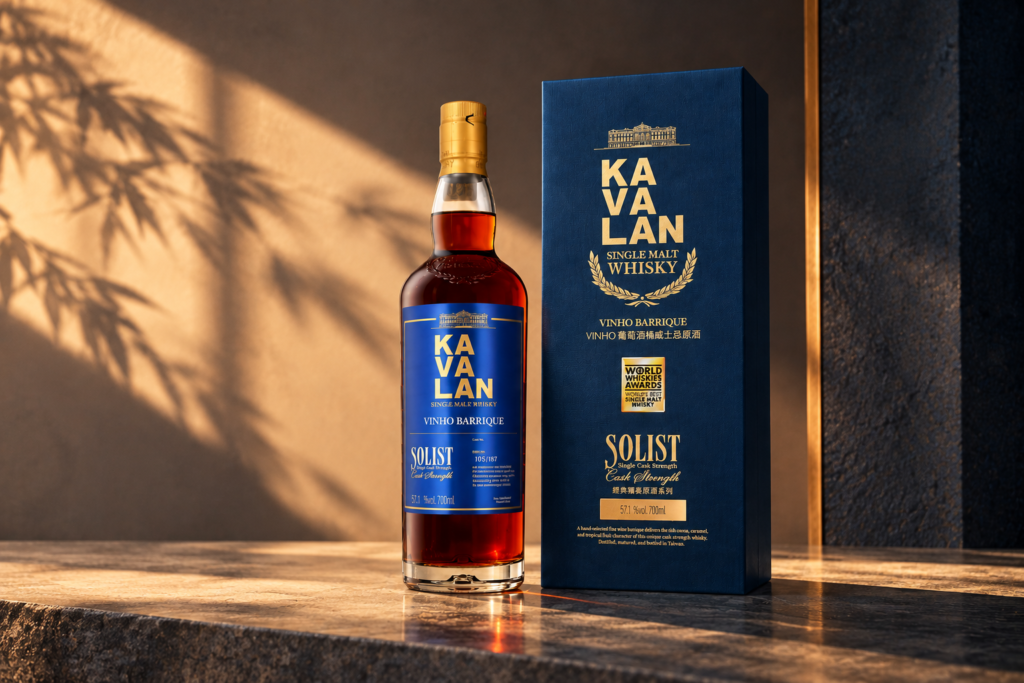
Kavalan Solist Vinho Barrique Review
From Werther’s Originals on the nose to memories of my mother’s blackberry marmalade and my grandfather’s liquorice root tea, this Kavalan Solist Vinho Barrique turned out to be a surprisingly personal dram.

From Werther’s Originals on the nose to memories of my mother’s blackberry marmalade and my grandfather’s liquorice root tea, this Kavalan Solist Vinho Barrique turned out to be a surprisingly personal dram.
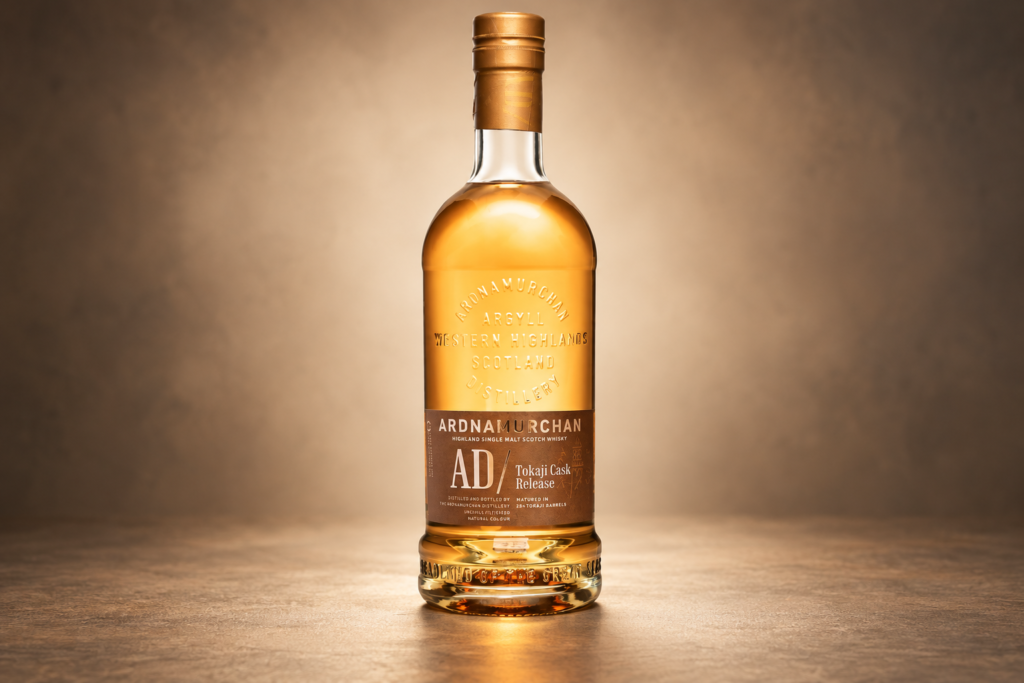
The Ardnamurchan Tokaji Cask Release turns the sweetness dial rather enthusiastically towards eleven. Candied orange, honey and cherries meet pepper, herbs and liquorice, but does the Tokaji leave enough room for Ardnamurchan’s spirit to shine?
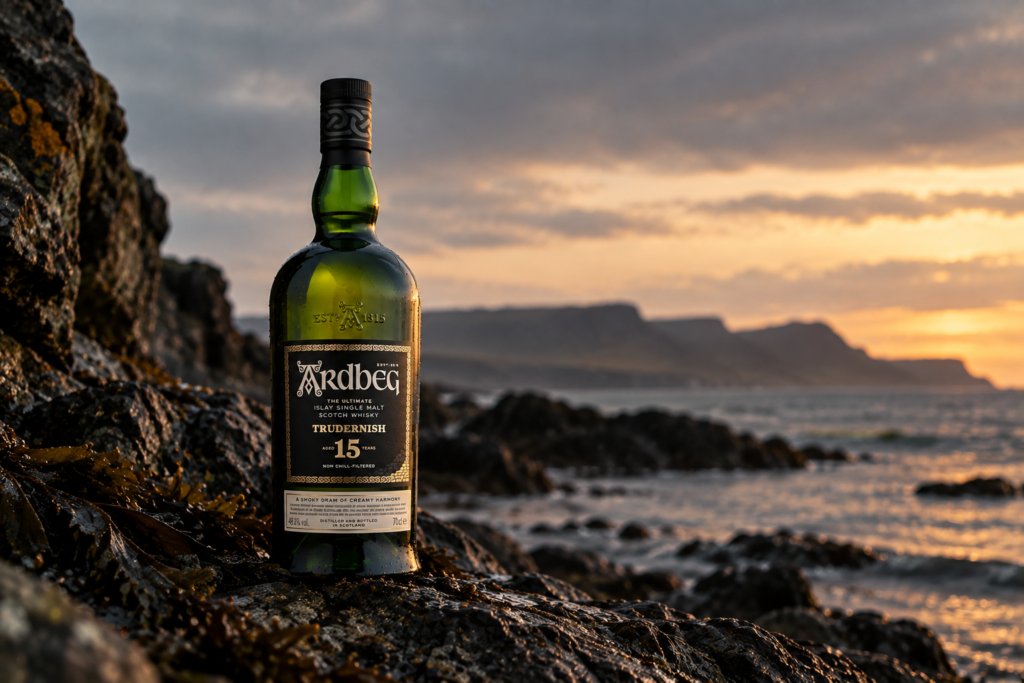
Ardbeg Trudernish brings a 15-year age statement to the permanent core range at a surprisingly reasonable price. But does the extra age improve Ardbeg, or tame too much of its trademark Islay character?

I’ve been waiting a while to say this: the DRAM1 Whisky Award is back for 2026! And if you’ve taken part in one of our panels before, I really hope you’ll join us again. Last year I watched tasting sets

Tenjaku Blended and Pure Malt look like an obvious step-up comparison, but things get much more interesting once you dig into the whisky, the producer in Yamanashi and Tenjaku’s surprisingly murky reputation. After tasting them side by side, the cheaper bottle may actually have the upper hand.
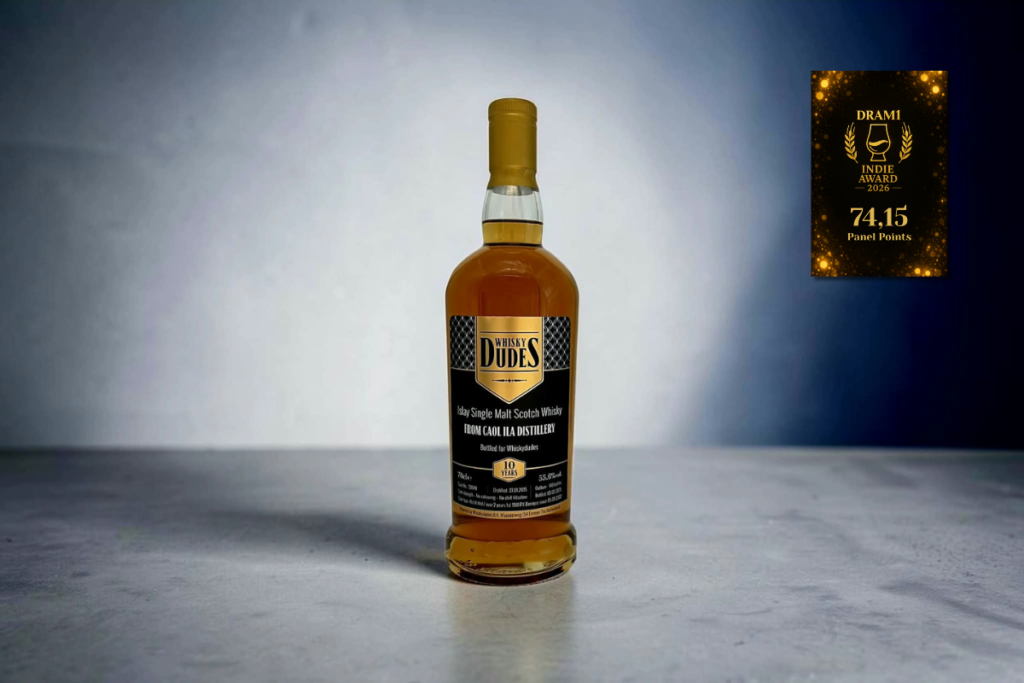
More than 160 tasters went blind into this Whisky Dudes Caol Ila 10. The peat was obvious, the distillery far less so. With smoke, honey, citrus and plenty of divided opinions, it scored 74.15/100.

Two exceptionally old Carsebridge grain whiskies, just two years apart, but surprisingly different in the glass. I put the Living Souls 48 and new 50 Year Old head-to-head, with wild peaches battling dark chocolate, espresso and half a century of oak.
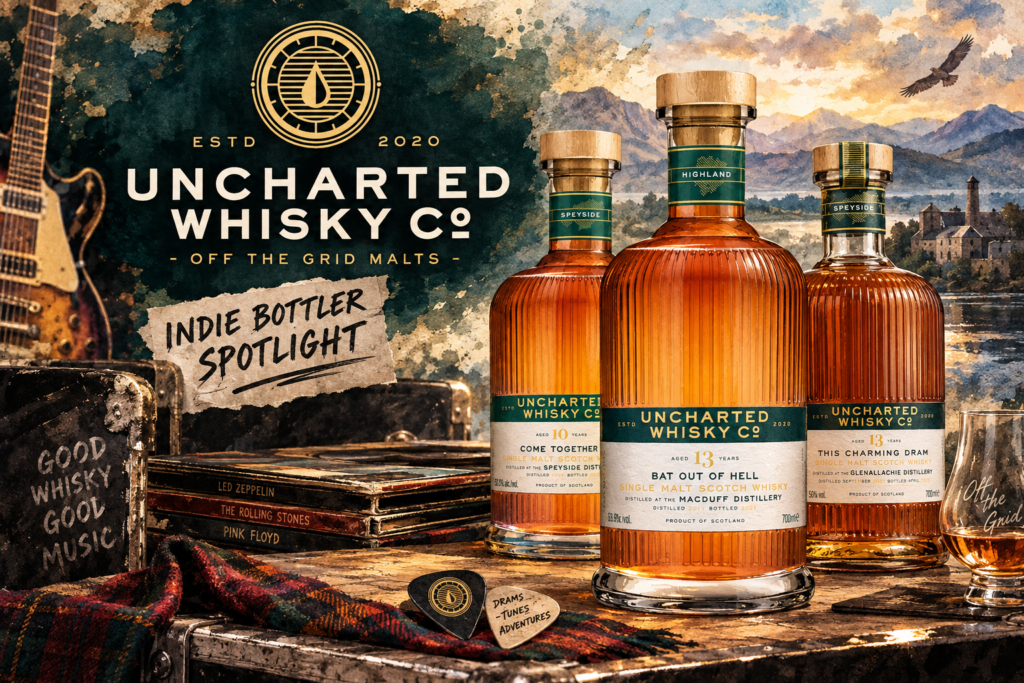
Meet Uncharted Whisky Co., the independent bottler run by Jack Breslin and Dana de Vos where cracking Scotch whisky, unusual casks and a serious love of old-school rock ’n’ roll come together.
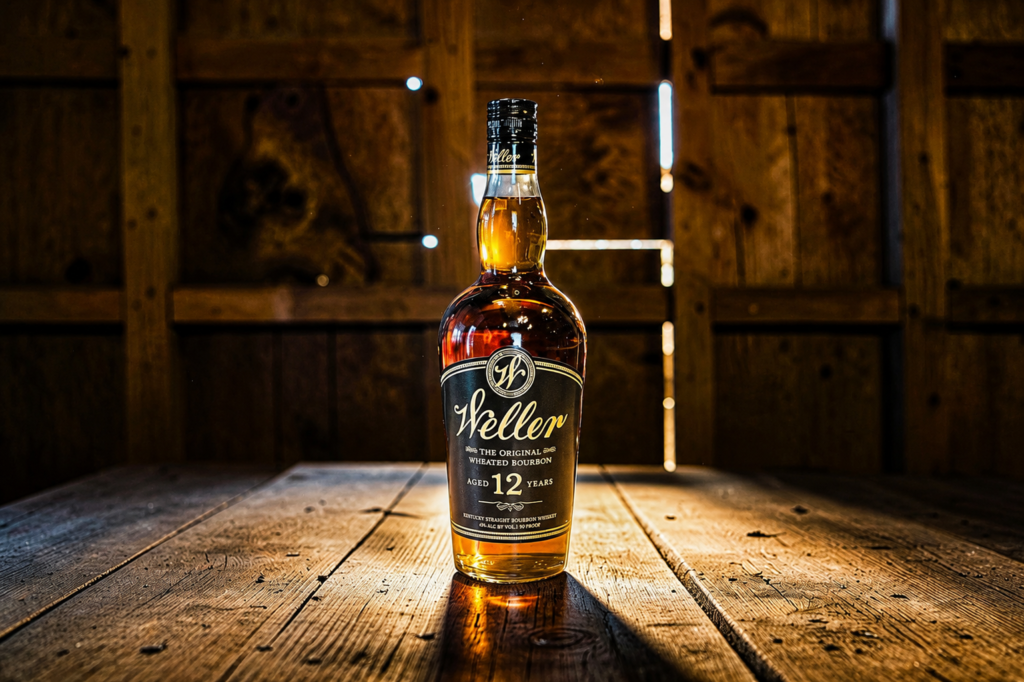
Weller 12 has become one of bourbon’s most hyped bottles, but is the whisky actually worth it? After finding mine for around €60 and leaving it unopened for years, it’s finally time to pull the cork (or unscrew the cap in this case).
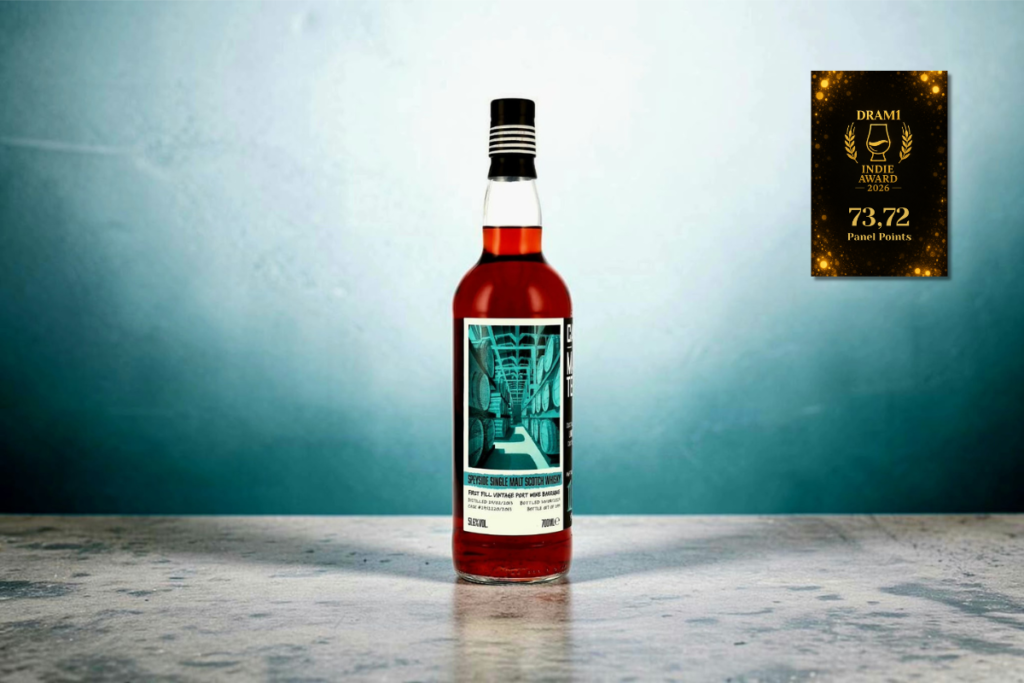
Tasted completely blind by the DRAM1 Indie Award panel, this 12-year-old Linkwood from Cask Masters divided opinion with its bold Port influence, huge red-fruit character and spicy, drying finish, earning a score of 73.72/100.